
Key Takeaway
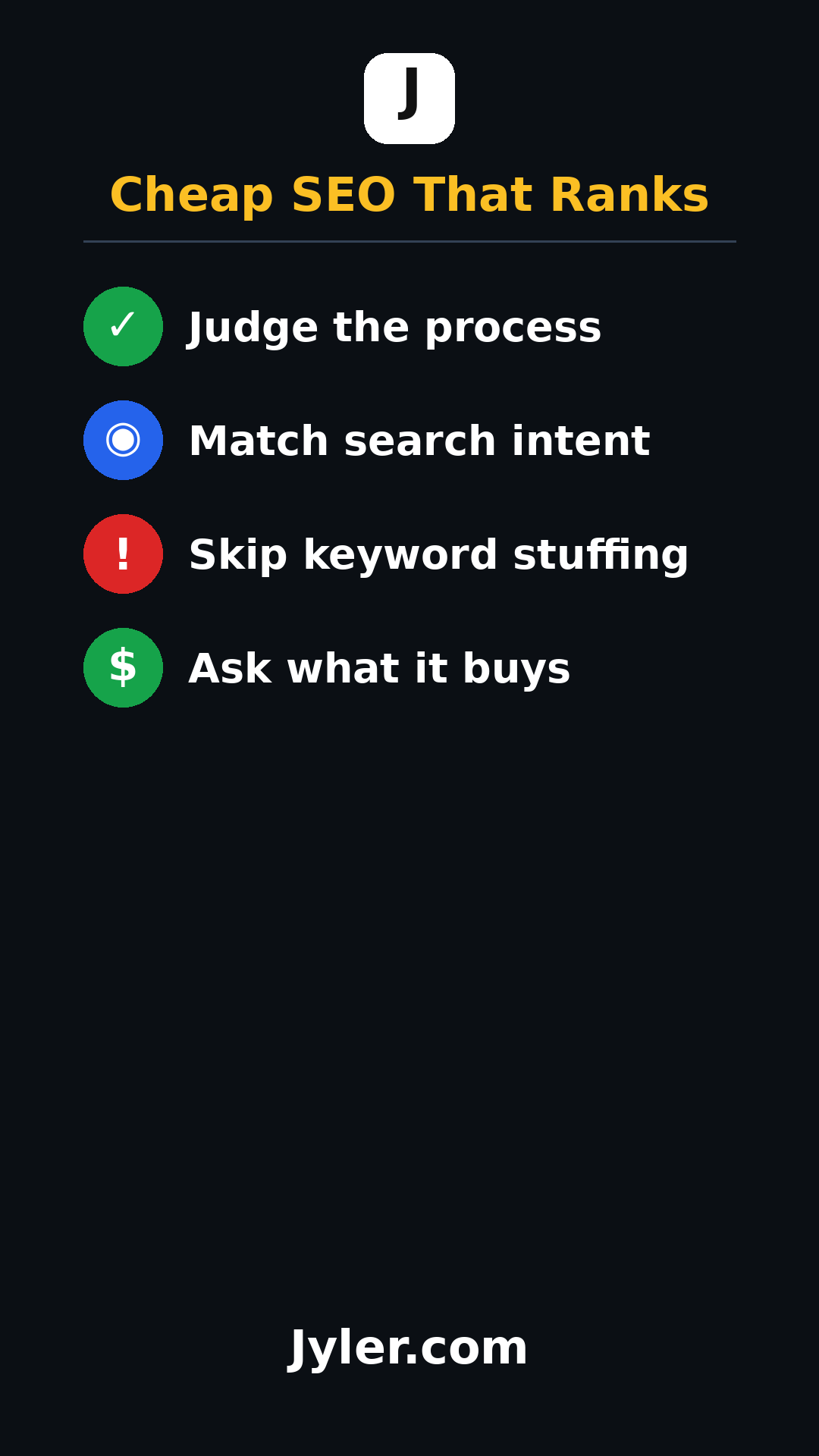
Low-cost SEO content writing can rank. Expensive writing can flop. The deciding factor is whether the writer answers a real search query in a way readers finish. Judge the process and you stop overpaying for words nobody reads.
The Belief That Quietly Drains Your Marketing Budget
Many owners assume a cheap rate guarantees thin, useless copy. That assumption is the expensive part.
Price and quality are different numbers. A writer at $40 an article and one at $400 can both reach page one of Google. What separates them is time spent on research and structure.
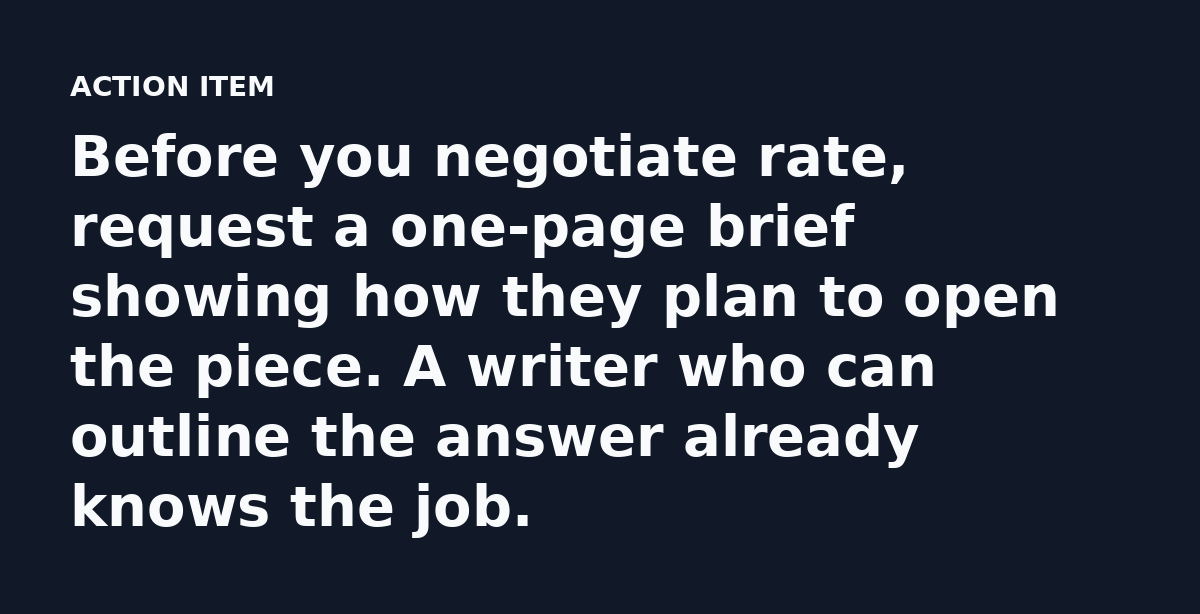
Ask one question before you hire anyone: “How do you decide what the article covers?” A weak writer talks about tone. A strong one talks about the search query and the reader.
Myth: Low Price Means Low Quality
Fact: price tracks process, not talent.
A writer who spends an hour studying the top competitors before writing will beat a writer who opens a blank page. That hour shows up in the questions the piece answers. It rarely shows up as a higher invoice.
Myth: Longer Articles Rank Higher
Fact: matching search intent beats word count.
A 3,000-word post that dodges the question loses to a 900-word post that resolves it fast. Search engines measure whether a reader found what they came for. Length is a side effect, never the goal.
Run this test: search your target phrase and open the top result. If your draft does not answer the same question faster or clearer, the draft is not ready.
Myth: You Must Hit a Keyword Density Target
Fact: according to public reports, keyword stuffing became a losing move after Google’s 2011 Panda update started flagging thin, repetitive pages.
Place the phrase once in the title and once in your first paragraph. Then write natural variations the way a person would speak.
Writing for the phrase alone produces flat, robotic copy that gets ignored. Writing for the question earns the click and keeps it.
Myth: Only Big Agencies Can Rank You
Fact: solo writers and small teams win local searches every week.
Agencies add layers. Each layer adds cost. For a service business in one city, a single writer who knows the trade often beats a generalist team. A plumbing company ranking for emergency drain repair needs trade knowledge, not a brand strategy deck.
Where the premium actually goes
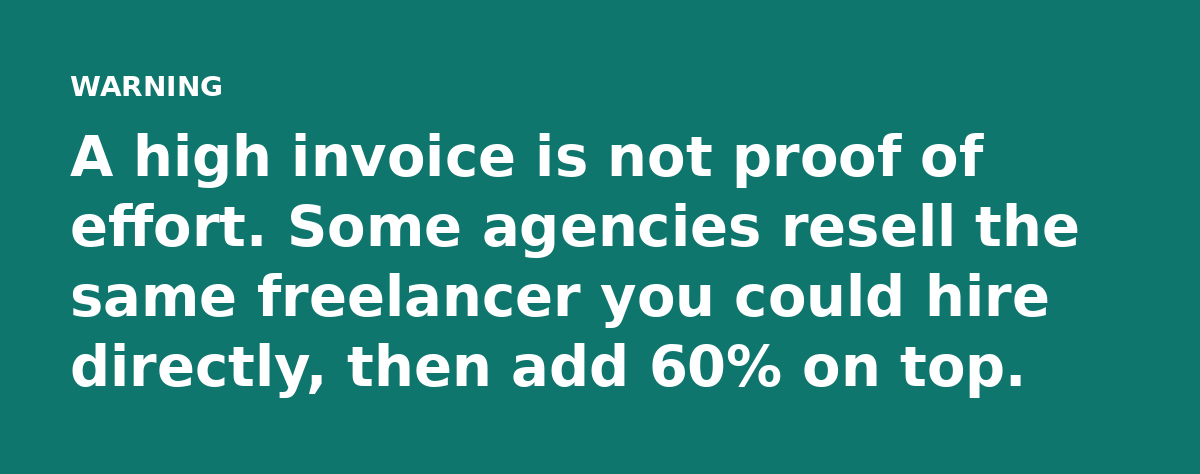
When you pay top rates, part of that money funds account managers and endless revision rounds. None of it reaches the reader. Ask for the writing rate by itself and judge what that number buys.
Myth: Bulk Packages Save Money
Fact: unread content has a negative return. You still pay for the hours spent editing and uploading.
Ten articles that never rank cost more than one article that brings five leads a month for two years. Track this with a simple formula:
Cost per lead = total content spend / leads from that content.
Run it for 90 days. Most owners discover the “expensive” writer was the cheaper one.
Myth: AI Writing Is the Cheap Shortcut
Fact: AI drafts fast. It cannot verify a claim or add a detail only an insider knows.
Use AI to sketch an outline and fix grammar. Then add the human part: a number pulled from your own books or a question customers ask every week. That human detail is what makes cheap content rank, because a competitor cannot copy what only you know.
How to Vet a Low-Cost Writer in Ten Minutes
- Ask for two published pieces they wrote end to end.
- Read the opening 100 words of each and check when the answer appears.
- Ask how they handle a topic they have never covered before.
- Pay for one short test article on your own topic.
A single paid test settles almost every doubt and tells you more than any portfolio or promise.
What the Numbers Should Look Like
Set a test budget instead of a price ceiling. Hire two writers at different rates, give both the same brief and publish both pieces on the same day.
Then watch two things for 60 days: which article earns clicks and which one keeps readers on the page past the first screen. The winner is your writer; the loser, no matter the rate, was a cost.
What to Do Next
Test writers on outcome, not price.
Pick one topic from your search console where you sit on page two and give the brief to the writer who won your test. Affordable SEO content writing becomes a clear decision when you measure it, backed by your own traffic data.
Watch the 30 second summary
Video transcript: Price and quality are different numbers. A writer who studies the top results for an hour beats one who opens a blank page. Matching search intent beats word count. A short post that answers fast beats a long one that dodges the question. Stuffing keywords became a losing move after Google’s 2011 Panda update. Use the phrase once in your title and once up top, then write naturally. Top rates often fund account managers and endless revisions. Ask for the writing rate alone and judge what that number actually buys.
Need this run for you? See the writing service.