Executive Summary
Hiring a website content writing service looks simple on paper. You pay, you get pages, you publish. The trouble starts after you sign, when revisions pile up and the pages still bring in no leads. Below are seven things most vendors leave out of the pitch and what each one means for your budget.
1. The first draft is not what you are paying for
A clean 1,200-word page takes a good writer two to three hours to draft. Polishing it and matching your brand voice can take just as long. So the draft is half the job. The other half is the editing that makes it usable.
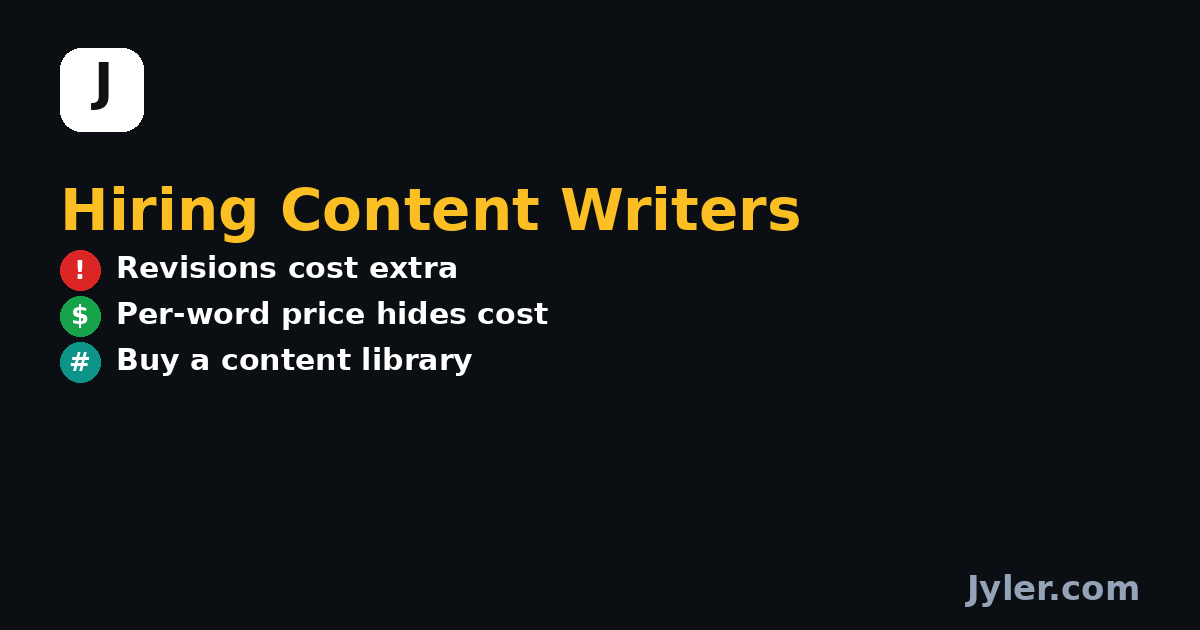
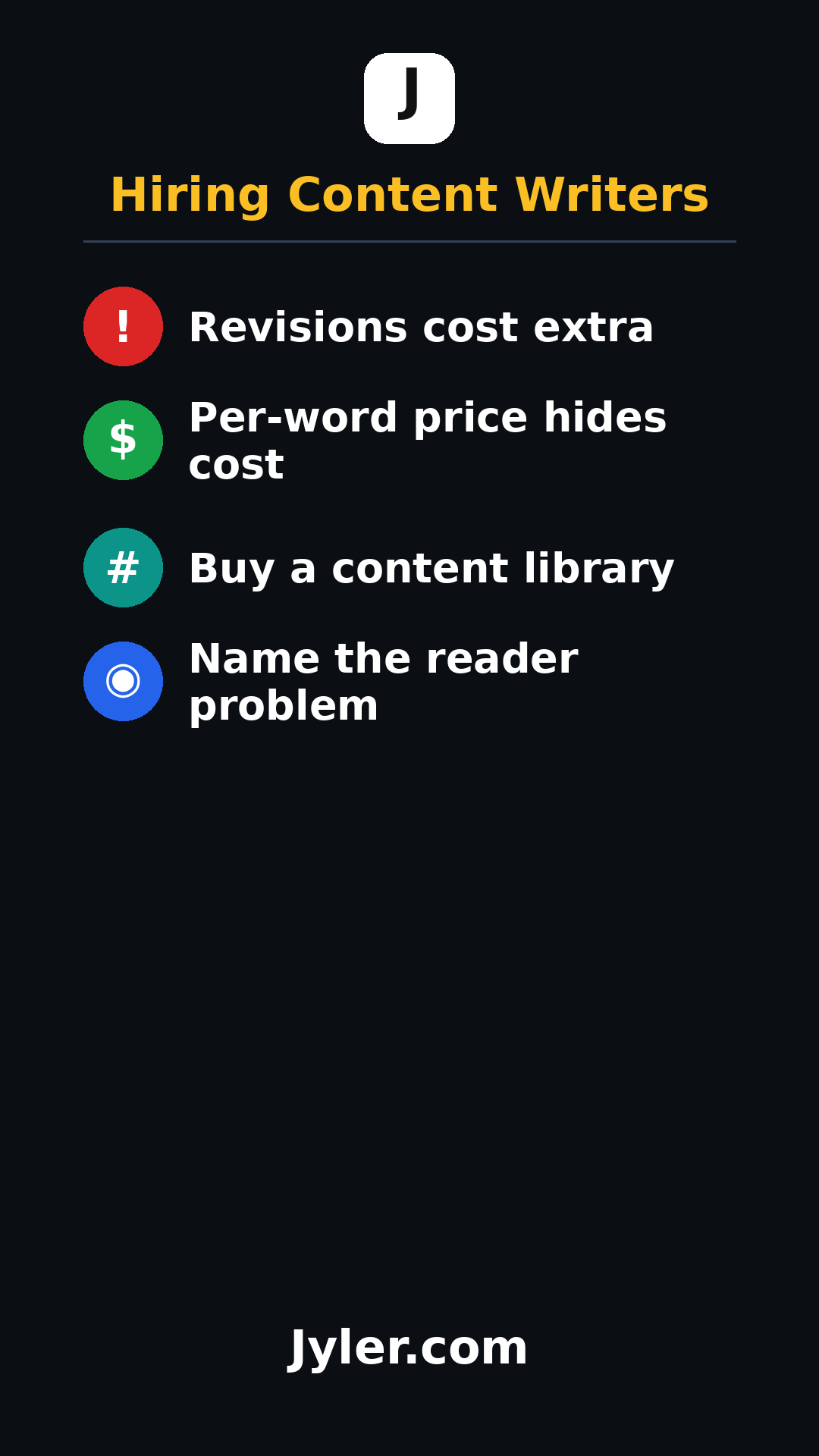
Ask one question before you buy. Who handles revisions and how many are included? A vendor charging $150 per page with two revision rounds is often cheaper than a $90 per page deal with none.
Count your own review time too. If you spend 45 minutes fixing every page, you just paid twice.
2. Per-word pricing hides the real cost
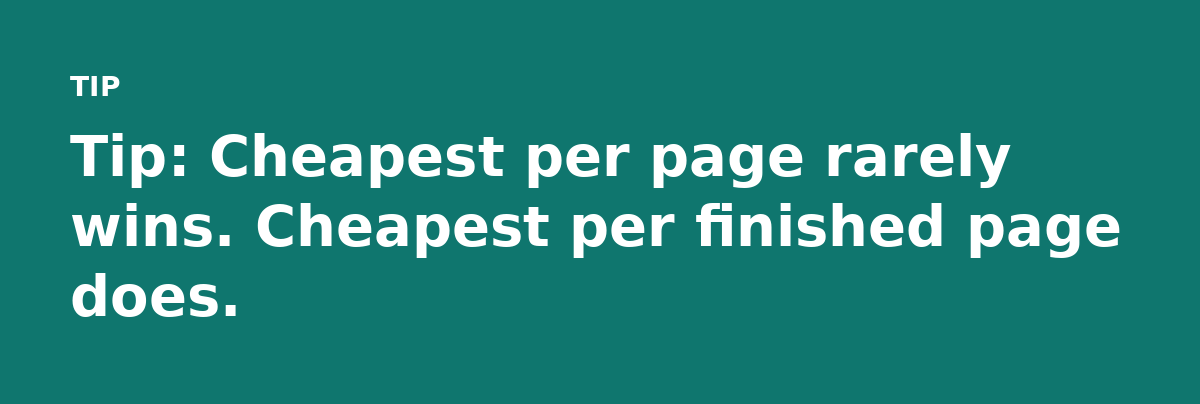
At $0.10 per word, a 1,500-word page costs $150. That number feels fine. Then the page misses your offer and needs a rewrite. Now you have spent $300 and a week and you still have one page.
The real cost is the writer rate plus your hours. A slow page that sits in review for two weeks costs more than a faster one at a higher rate.
Ask vendors how they price revisions. Ask what happens when a page needs a second pass. The answer tells you more than the headline rate.
3. You are buying a library, not a single page
One great page rarely ranks alone. Pages support each other through internal links and shared topics. A service that writes ten connected pages will almost always beat ten random pages bought one at a time.
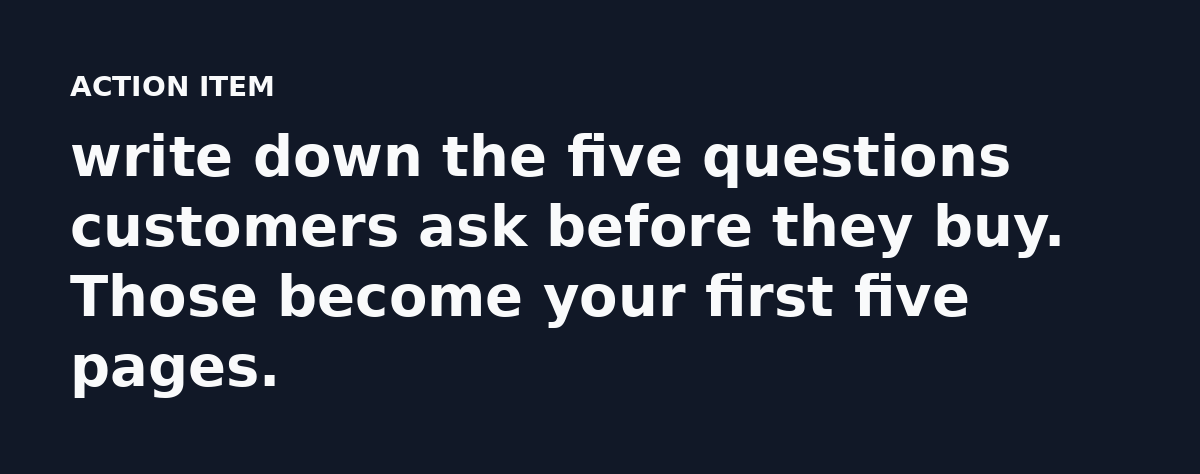
Map your topics before you spend. Decide which page points to which other page.
4. No writer can rank a page nobody wants to read
Search engines watch how people behave. If visitors click your page and leave in eight seconds, it slides down the results. Clean prose does not fix a weak offer or a confusing headline.
Put the offer above the fold. Name the reader’s problem in the first line.
I once watched a service rewrite a client page four times. The words improved. The headline stayed vague. Traffic never moved until the headline named the exact problem the reader typed into search.
5. Your expert knowledge is the bottleneck
Writers cannot invent your pricing or your process. Skip the interview and you get generic filler. That is the fastest path to content that reads like everyone else’s.
Budget 30 minutes per page for a call or a voice note. Give real numbers and real customer stories.
That input is what makes a page worth publishing. Without it a writer is guessing and guessing shows.
6. The brief beats the writer every time
A sharp brief tells the writer who reads the page and the one action they should take. Leave those out and even a strong writer flounders.
Write the brief the way you would explain the page to a new hire. Specific beats clever.
Include the search phrase you want to rank for. Include what the reader gets. Include the next step you want them to take.
7. AI changed the price, not the work
Drafting tools cut the time to produce a rough page. They did not cut the time to check it, fix the tone and add the facts only you have. Pages that skip that step now look identical to thousands of others.
Use AI for speed. Keep a person on judgment and accuracy. That split is where the value sits and it is why the editing line on an invoice is the one that matters.
How to run your first test page
Pick the one page that matters most for sales. Give the writer a 30-minute interview and a one-page brief. Then watch whether that page brings in leads over the next month.
If it works, buy the next batch as a linked set. If it does not, fix the brief before you spend more money.
Track two numbers. Time from brief to published page. Number of leads the page produces. Those two tell you if the relationship is working.
What to do next
Start with a single page instead of a full site package. It costs less and exposes every hidden problem early. You learn how the vendor communicates, how they handle edits and whether they ask good questions.
If you would rather skip the trial and error, our website content writing service runs the interviews and the revisions for you. Start with one page. See the difference before you commit to more.
Watch the 30 second summary
Video transcript: The first draft is only half the job. Ask who handles revisions and how many are included before you buy. At ten cents a word, a rewrite doubles your cost. Ask vendors how they price second passes. One page rarely ranks alone. Ten connected pages beat ten random ones, so map your topics before you spend. Clean prose cannot save a weak offer. Put the offer up top and name the reader’s exact problem in your headline.