Key Takeaway
Authentication gets your email through the gate. It does not earn the read. Mailbox providers score how real people respond to your mail and that score often decides inbox placement more than a clean technical setup ever will.
The Night Every Green Check Turned Into A Promotions Tab
A while back I helped a small outdoor gear shop move to a new sending platform. Their setup was tight. SPF and DKIM passed and the DMARC policy sat at p=reject, which is as strict as it gets.
Every deliverability test we ran came back clean. We celebrated for about a day.
Then the next campaign landed in Gmail’s Promotions tab. Open rates slid from 27 percent to 9 percent inside two weeks. Nothing was broken. The list had just gone cold and the mailbox provider knew it before we did.
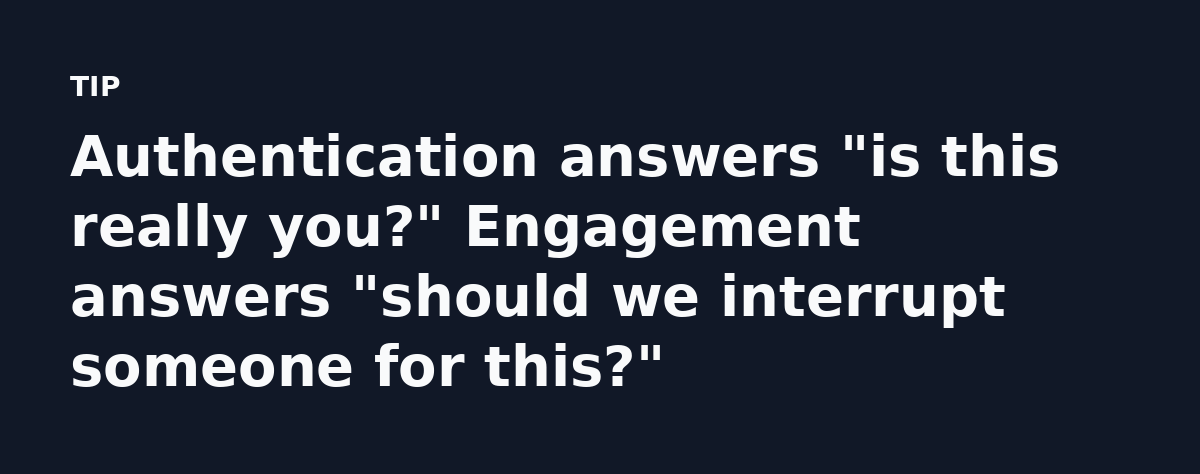
That was my lesson. Passing authentication proves who sent the mail. It says nothing about who wants to read it.
What SPF And DKIM Actually Do For You
People treat these records like a passport. SPF tells a receiving server which machines are allowed to send mail for your domain. DKIM adds a cryptographic signature so a provider can confirm the message was not altered in transit.
DMARC ties both together. It tells the provider what to do when a check fails and gives you reports on who is sending as you. All three are plumbing. Necessary plumbing, but still plumbing.
When you send bulk mail to Gmail, the bar is higher. According to Google’s published sender guidelines, if you push more than 5,000 messages a day to Gmail accounts, Google expects proper authentication and a spam complaint rate under 0.3 percent, with 0.1 percent as the safer ceiling in Postmaster Tools.
A clean record will not protect a tired list. Plenty of authenticated senders sit in the Promotions tab or the spam folder every single day.
The Signal That Outweighs Your DNS Work
Providers watch behavior. Did the recipient open the message or reply? Did they drag it from Promotions into the inbox or mark it and delete it without a glance?
Each action is a vote. A thousand unopened sends tell a provider your mail is background noise.
Gmail scores each recipient separately, not just the whole domain. One person who always opens your emails still gets inbox placement, while someone who joined two years ago and never clicked gets filtered. Your sender reputation is the average of those two very different relationships.
Why A Big List Can Hurt You
Most brands treat list size as a scoreboard. Providers treat it as risk. If a large chunk of your subscribers never engage, your engagement rate drops and that drags the whole domain down.
Picture a list of 40,000 where maybe 6,000 people open regularly. The other 34,000 get the same email, so 34,000 silent negative signals stack up behind every campaign.
This is why a smaller engaged list can outperform a bloated one: sending to 8,000 active subscribers often beats blasting 60,000 cold ones, with better ratios and higher inbox placement.
Watch this: If your open rate drops while your complaint rate climbs, more sends will make it worse. Pause the blasting and clean house first.
Signals You Can Actually Move
You control what people do when your mail shows up.
- Replies matter most. A simple “hit reply and tell us X” prompt lifts this fast.
- Inbox moves count. Ask loyal readers to drag you out of Promotions once.
- Stars and saves signal value worth keeping.
- Spam complaints are poison at scale and one percent is a disaster. Stay near zero.
The fastest win comes from sending to people who open and resting the people who do not.
The Fix I Run Every Time
Start with a re-engagement campaign. Send one plain email to anyone who has not opened in 90 days and ask a single yes or no question. Keep it human.
Whoever clicks stays and whoever ignores it goes into a sunset segment and gets removed from your main sends. That one move shrinks the list and lifts engagement overnight.
Next, segment by recent activity. Split subscribers into those who opened in the last 30 days and those who opened in the last 90 days or not at all. Send full volume to the top group and stop mailing the rest.
Then warm new addresses. A fresh signup should get a short welcome sequence so engagement starts strong from day one.

A Quick Reality Check
Open Postmaster Tools or your platform’s reputation report. Look at your complaint rate and your engagement by segment. If your complaint rate is above 0.1 percent, that is your first job. Everything else waits.
Now look at how many of your subscribers opened anything in 90 days. If that number is under 20 percent of the list, you have a list quality problem. The records are fine. The audience is stale.
Things Worth Remembering
Authentication is table stakes. It keeps you out of the spam folder for identity reasons. It cannot buy you attention.
Engagement is the real currency. Replies and inbox moves push authenticated mail into the right tab. Silence pushes it out.
A bloated list is a hidden tax on every send. Cut the dead weight and your ratios improve without touching a single DNS record.
If you want inbox placement, stop obsessing over passing authentication and start asking a harder question. Do the people on this list still care? The answer decides where your email lands.
Do this today: Pull everyone who has not opened in 90 days, send them one honest re-engagement email and delete the rest. That single step lifts email deliverability faster than any new tool.
Read the full guide: Email Deliverability Myths That Trap Brands in the Promotions Tab