The short version
Most B2G lead generation fails because sellers treat government like any other market. A real lead ties a named person to a funded budget line. Miss either piece and you are chasing a logo.
The questions below decide whether your pipeline is real. The answers stay short and specific.
What makes a B2G lead strong?
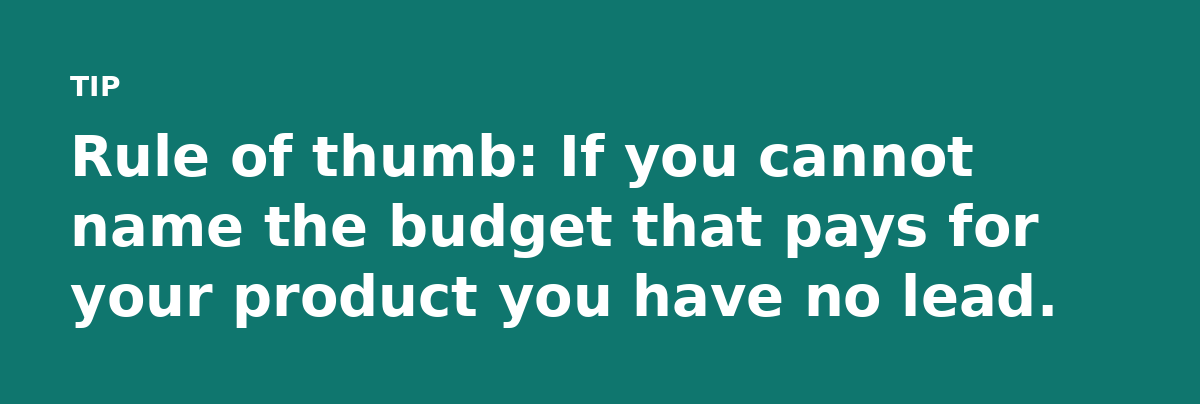
Four things: a name and a title, the agency and the program that owns the problem, a budget line that pays for it and a known buying path.
Some agencies buy through a formal RFP. Others use a cooperative contract or a small purchase. Know which one applies before you write a pitch.
A vendor registration is not a lead. Neither is a form fill from a contact page.
Why does B2G lead generation go cold so often?
The seller skipped the boring part. They found an agency name and fired off a pitch without checking the buying history.
Agencies move slowly on purpose. Public money comes with rules. A buyer who likes your product still needs a requisition and an approval chain. A solicitation may have to post in public. That takes months.
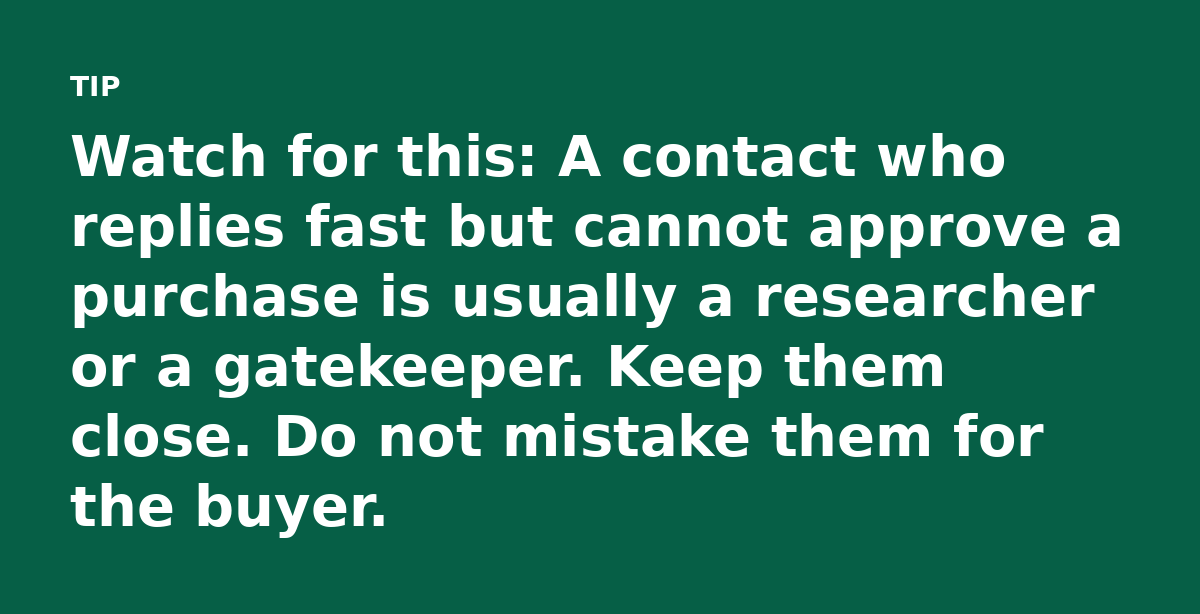
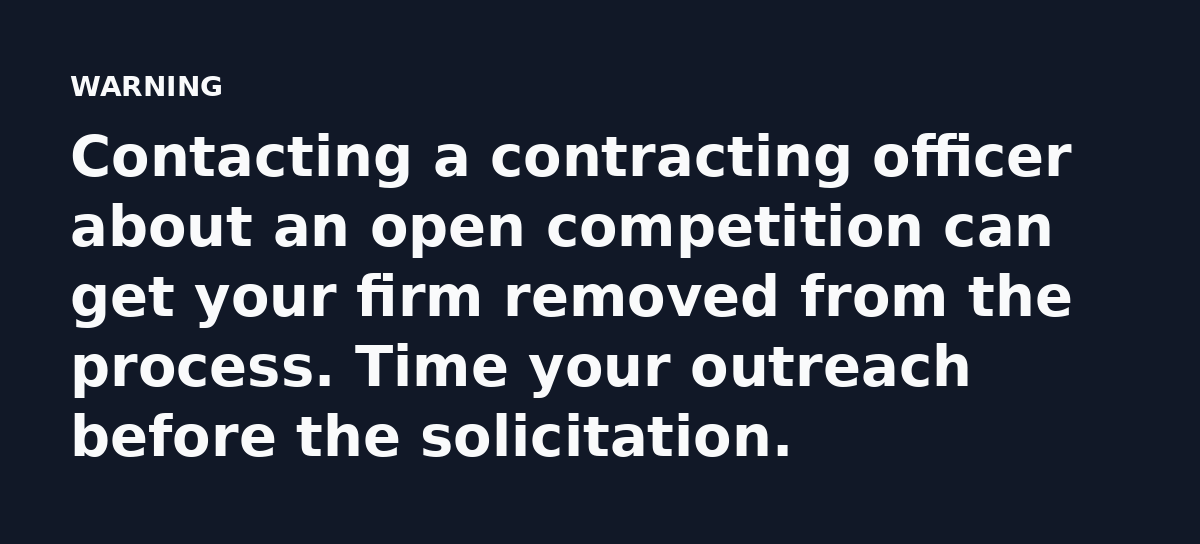
You can also pitch the wrong level. Directors shape programs while contracting officers run the paperwork. Get to the program owner first. The contracting office comes later.
Where does B2G lead generation start?
Agencies publish buying intentions months before a solicitation.
- Procurement portals. SAM.gov for federal work plus each state system.
- Budget books and capital plans. A new program line means new spend.
- Board minutes and council agendas. Approvals surface here first.
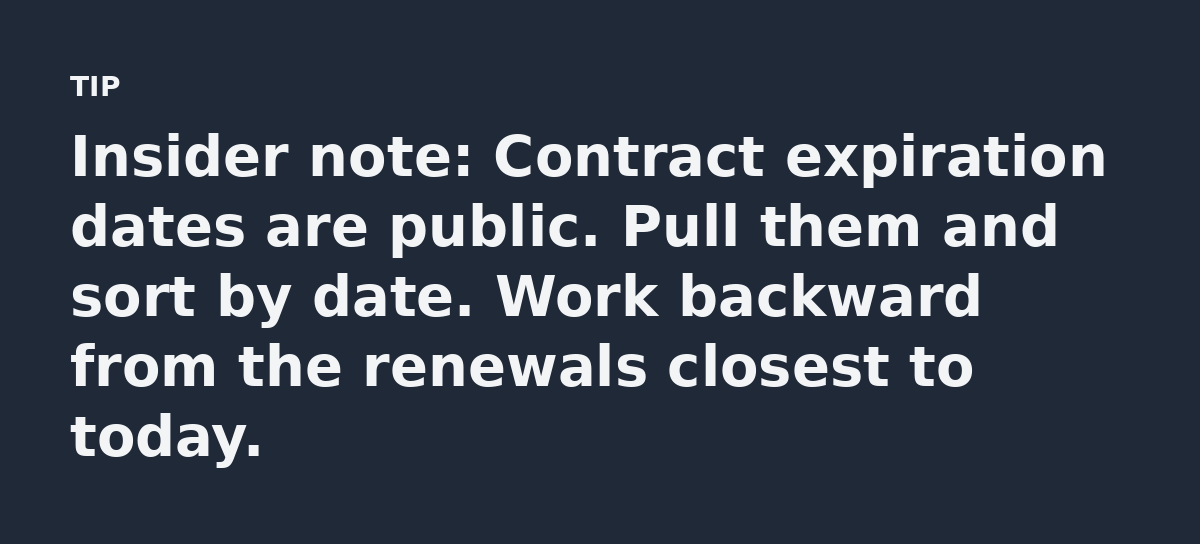
- Contract award history. Expiring contracts are the cleanest signal you get.
Add cooperative contracts to that list. Vehicles like GSA schedules and statewide agreements let agencies buy without a full RFP. If you already hold one, your lead gen gets shorter.
Which signal says a lead is ready?
The incumbent contract expires within 18 months. That is the strongest public signal you can find. The agency must rebid or renew. You get a window to become known before the decision.
Other signals count too. A fresh appropriation for a program or a leadership change in the department can signal new spend. A public complaint about the current vendor or a hiring notice for a role your product supports also counts.
How is B2G lead generation different from B2B?
B2B buyers can sign a check and move. Government buyers follow published rules, so plan for a slower file that auditors check later.
Features matter less than past performance. Agencies ask whether you have done this work before. They check references and small business status. According to federal acquisition rules, the simplified acquisition threshold is $250,000. Below that, buying can move faster.
One more gap. A B2B champion can often push a deal through alone. Your government champion still needs a funded requisition and a contracting officer. Help them build the case.
How long does B2G lead generation actually take?
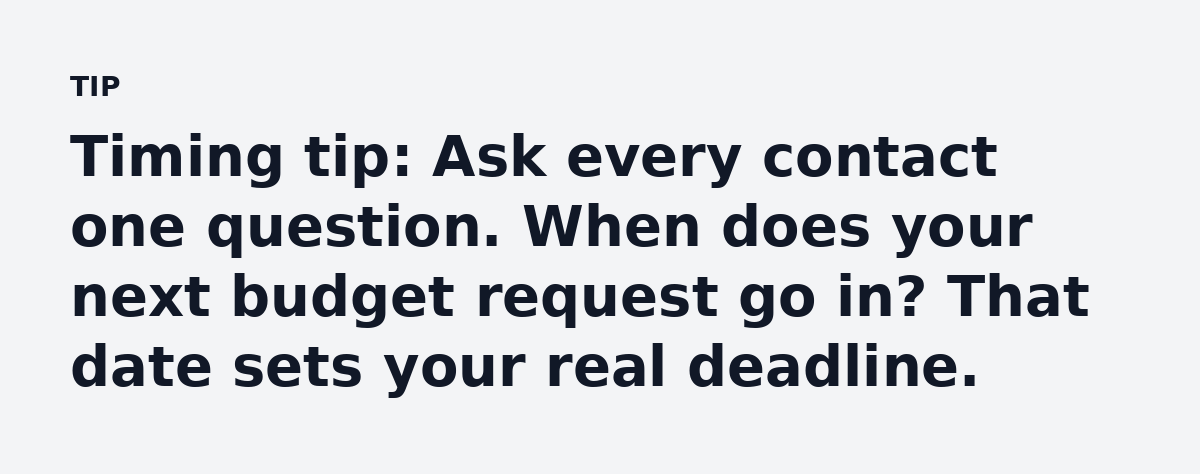
Plan for 6 to 18 months from first contact to signed contract. The fiscal calendar sets the rhythm. The federal year ends September 30. Many states close their books at the end of June.
Money not spent by the deadline can vanish and next year’s budget request gets built months earlier. Show up in August with a new idea and you are late for this cycle.
Do purchased lead lists work?
They are raw material. Most government lists are full of vendor registrations and outdated titles.
Check the source and the date on every record. Call the main line and confirm the person still works there. That takes minutes per record. It saves weeks of wasted outreach.
Can you cold email government buyers?
You can. Expect low reply rates. Public employees get pitched all day and many messages land in a shared inbox.
Keep it short and specific. Name their agency and a real program. Reference a public document, then ask one question about their timeline. Leave the deck for later.
How do you qualify a government lead in one call?
Ask four questions: what budget pays for this, who signs off, how your agency usually buys this type of work and when the current contract ends.
A vague answer on any of them means the lead is early. Log the gap and follow up later. Do not push for a demo.
What should you do this week?
Pick one agency you can realistically serve and pull its contract awards from the last two years. Find the ones expiring in the next year, then match those to your offer and write down the program owner’s name.
Then send one short note. Reference the expiring contract and ask about the renewal timeline.
Do that for one agency before you buy another list. Public records are free and more accurate than most paid data.
Need this run for you? See the outreach service.