Key Takeaway
B2G lead generation rewards fit and timing more than volume. Government buyers move through a long public process, so the vendor with the right proof at the right stage gets the meeting.
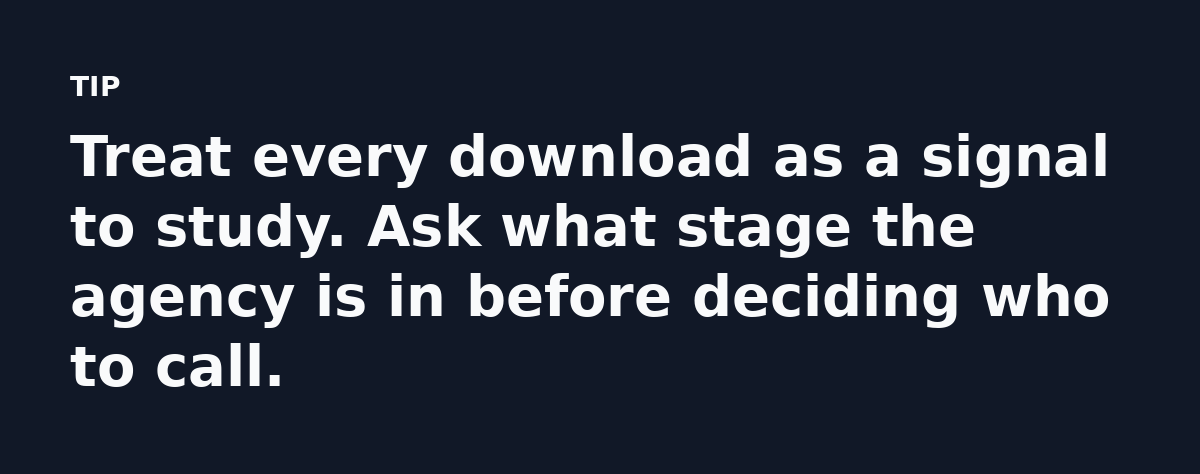
A Download Rarely Marks the Buying Moment
In B2G, a city IT director grabs your cloud security guide in March. The RFP shows up in September.
Your rep calls in April and gets no reply, so the contact goes cold. Six months later a competitor who sent one relevant case study in July is answering questions in the evaluation room.
Public sector deals commonly run 6 to 18 months and buyers research long before anything hits a state portal or SAM.gov. By the time a solicitation is public, the shortlist is already forming.
What to Change in B2G Lead Generation
Most teams copy their commercial funnel and swap in government logos. That breaks because public buyers answer to procurement rules and budget calendars.
Your lead score is probably upside down
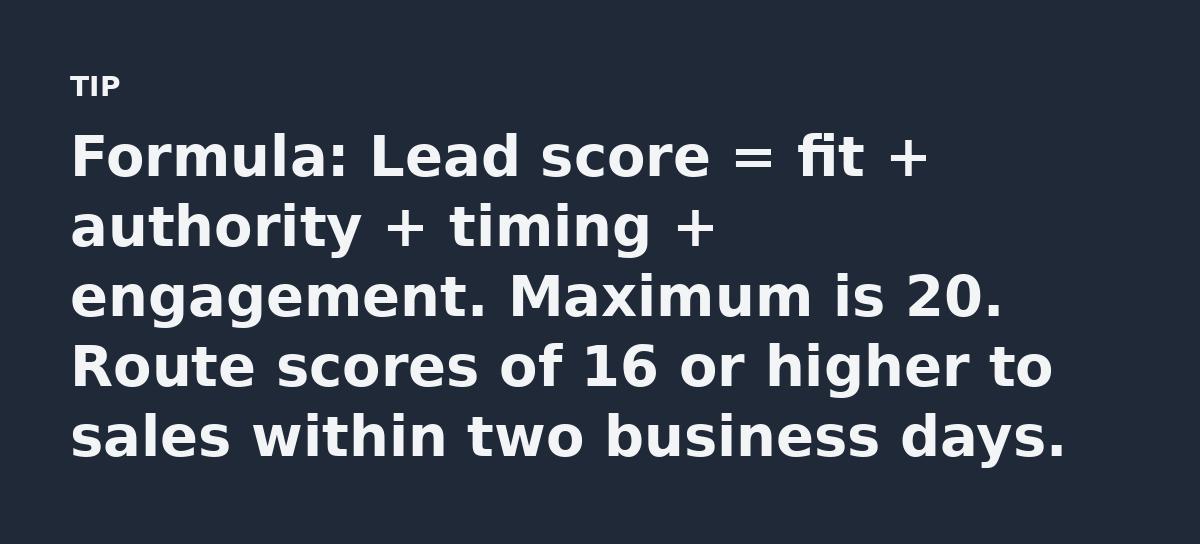
A program manager at a target agency who reads two pages of a budget guide can outrank fifty students who grabbed a generic checklist. Score four factors.
- Agency fit: Is this an organization you can actually serve?
- Role authority: Can this person influence or approve the purchase?
- Buying stage: Are they budgeting or writing a scope?
- Engagement depth: Did they read the useful section or bounce in four seconds?
Give each item a score from 1 to 5. A total under 12 belongs in nurture.
Put outreach on the fiscal calendar
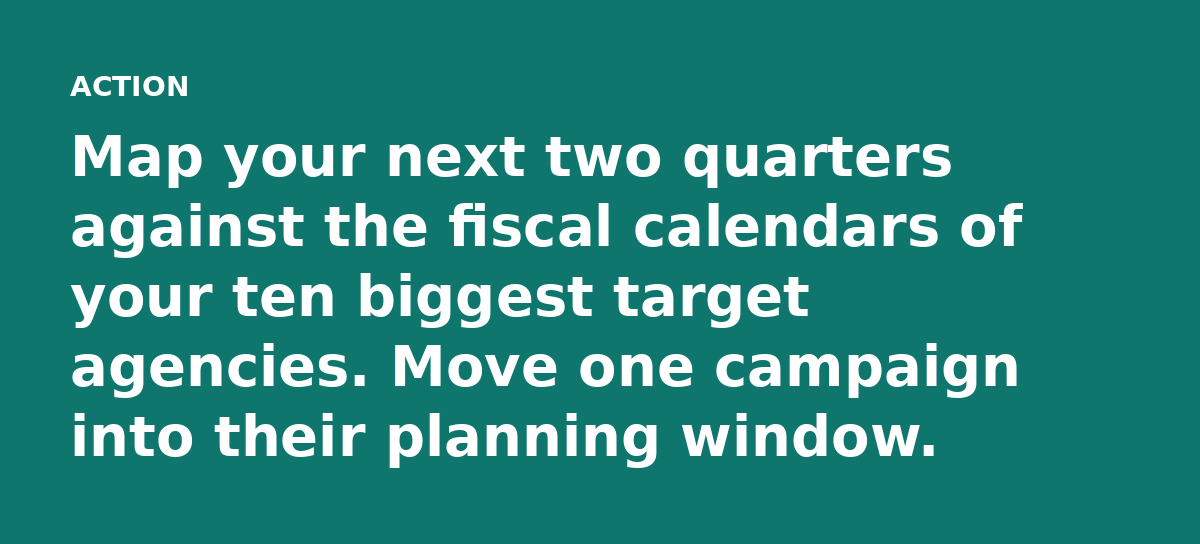
The federal fiscal year ends September 30. Most states close theirs on June 30. Spending tends to spike as those dates approach, then stall right after.
Time your webinars and guides around the months when budgets are being built. A February or March campaign catches agencies while they are planning; a July one lands after budgets are set.
You can find most budget calendars online. Read one before you build your content schedule.
Write the memo your buyer needs
Program staff forward useful documents. A one-page explainer on a new procurement rule can travel through an agency in a day. A product overview is rarely forwarded.
Pick a rule or funding change your buyers are confused about. Explain it in plain English with no pitch. Then ask for agency name and role on the form.
That asset earns attention and shows who is close to a real project.
Measure Meetings with Agency Staff
In B2G, a meeting with a program director is a stronger signal than a marketing qualified lead count.
Track two numbers: meetings held with agency staff who can influence a purchase and the share of those meetings that happen before a solicitation drops. The second number shows whether you are early or just reacting to public notices.
Early conversations shape the requirements before they are locked.
The One Thing to Fix First
A 30-day bid window is too late to build trust with an agency.
Start with one agency segment and name the roles that shape the purchase. Build a calendar around that segment’s budget cycle.
Publish one useful explainer each month.
Do that for two quarters. Compare the number of early meetings with your starting point.
Start here this week
Pull your last 50 B2G leads and score them on those four factors. Fix the scoring before you spend another dollar on traffic.
Need this run for you? See the outreach service.