Key Takeaway
Most public sector pipelines fail because teams chase volume instead of timing. A state agency that rebids a security contract in eight months beats a thousand cold names with no contract on the horizon.
Here is what B2G lead generation actually rewards and why the popular advice keeps teams busy without getting them paid.
Myth: A bigger contact list means a healthier funnel
Teams brag about a list of 40,000 government contacts. Then the reply rate lands near one percent.
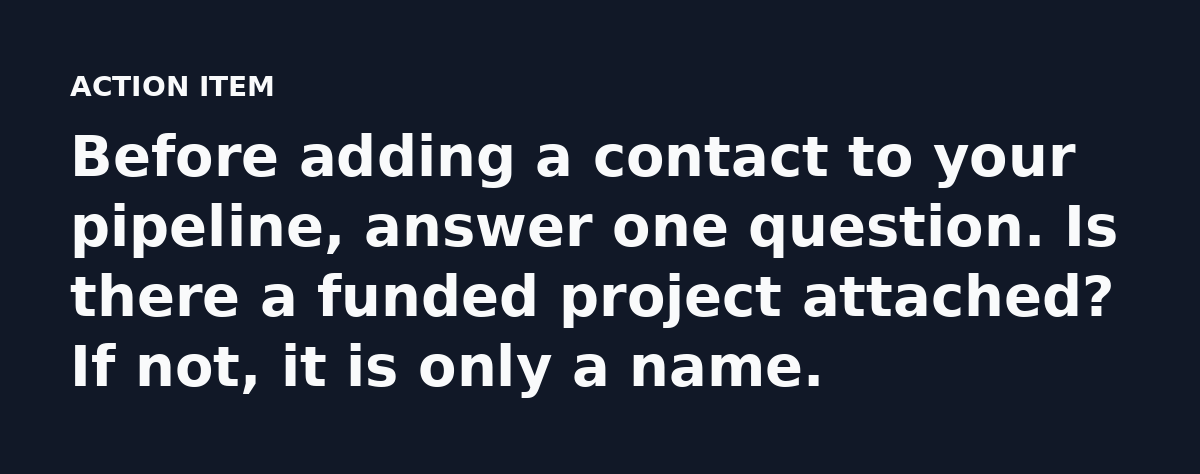
What matters is an active requirement. A city IT director with a budget line and a deadline is worth more than 300 names pulled from a directory.
Track leads by signal strength. A lead that sits inside an agency with a published solicitation is warm. A lead with a contact form and no project is cold, no matter how senior the title looks.
Myth: Government buyers avoid digital channels
Public sector buyers read email and follow vendors on LinkedIn. Procurement rules shape how they buy, but buyers still research online.
The real constraint is the calendar. Federal agencies spend hard late in the fiscal year, often in the last weeks before September 30. State and local cycles follow their own budget windows, many of which reset in July.
Time your outreach to those windows. A message sent during a spending freeze gets archived. The same message sent three months before a contract expires gets a meeting.
Myth: You must win a big contract to matter
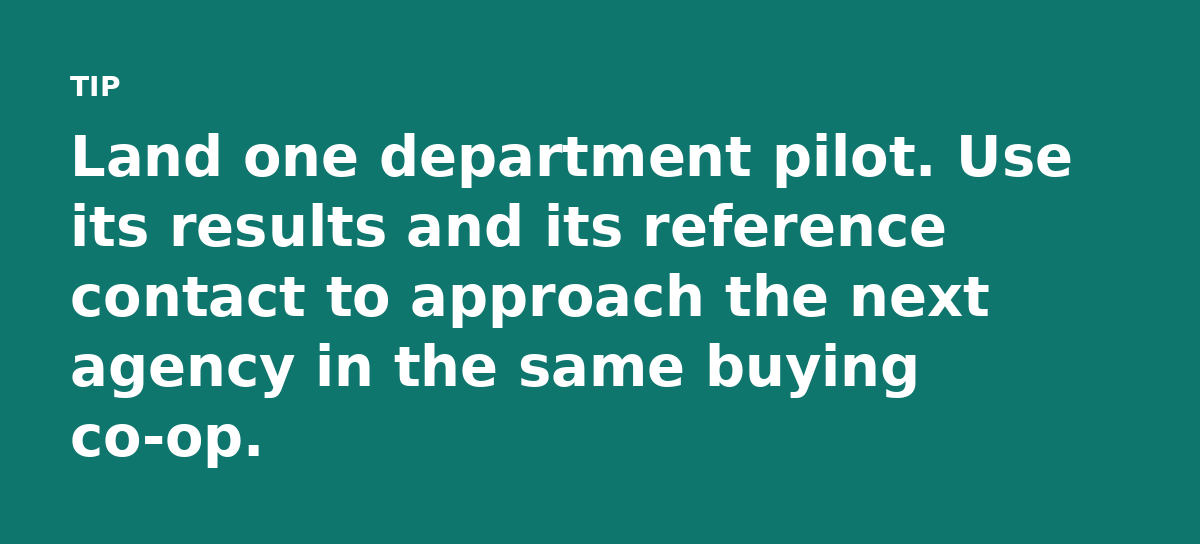
Small awards open doors. A pilot with one department proves you can invoice and stay compliant. That record becomes your strongest asset when a larger agency checks references.
Start with cooperative purchasing vehicles. Many agencies can buy directly from vendors already on a state or regional contract, which skips a long competitive process. Getting onto one such vehicle can produce repeat orders without a fresh bid each time.
Myth: One verified contact is enough per agency
A single point of contact breaks the moment that person transfers. Government staff rotate and change roles often.
Map the buying group instead. That usually includes a program lead who owns the outcome and a procurement officer who controls the process. Two well-placed contacts beat one. Four beat two, because the message survives a staff change.
Note the difference between influencer and decision-maker. Reach both and address each on their own terms.
Myth: Lead generation is a marketing problem
Marketing can find the account. Only sales can confirm the timing.
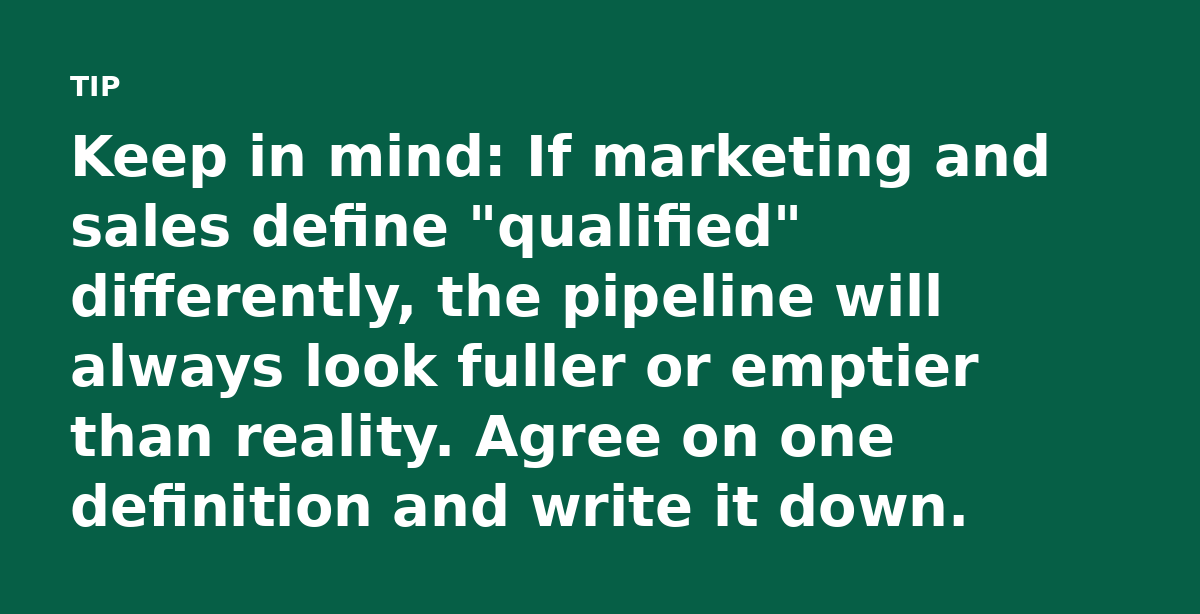
Split the work cleanly. Marketing builds the account list and enriches it with contract data. Sales calls the agency and logs what is funded. When both teams read the same signal field, follow-up stops being guesswork.
A marketing qualified lead for B2G should mean a qualifying agency with a known project window. Everything softer stays in nurture.
What actually fills a public sector pipeline
Timing beats volume. Fit beats fame.
Pull your current list and score each entry. Does the agency have a funded requirement? Do you hold more than one contact inside the buying group?
Leads that fail any of these move out of active pursuit. This shrinks the list. It also raises the share of conversations that turn into paperwork.
Your next step
Pick ten accounts this week. For each one, find the contract end date and the fiscal year budget window. Then send one message tied to that date. Do this before you buy another list.
B2G lead generation rewards the team that knows when a contract expires. Build around the calendar and the buying group.
Need this run for you? See the outreach service.