Key Takeaway
B2G lead generation breaks when teams treat a public-sector contact like a private-sector buyer. Government deals run 9 to 24 months and decisions land with a group. The leads that go quiet are often still moving. Build your pipeline around patience and useful content.
A $12,000 list, 400 calls and two replies
A sales director I know bought a curated list of 400 state and local government contacts. He handed it to two reps on a Monday and told them to start dialing.
They made 400 calls in nine days. Forty people picked up. Two asked for a deck. One meeting got booked.
His conclusion was blunt: “Government buyers do not answer their phones.”
The names were fine. His follow-up timeline assumed a buyer who was ready that week. B2G means business-to-government and the selling rhythm there does not match the private sector.
Lesson one: you are pitching a group, not a person
One signature can close a private deal. State and local agencies buy through committees. A single purchase might pull in a program lead, a procurement officer, a CFO and an elected official.
This is why one silent contact means little. Public-sector marketers often watch several people from the same agency download the same paper. Nine months later that agency issues an RFP on the exact topic.
Map every role before you write the first email. Then write a different message for each one.
Lesson two: the clock runs in quarters
The government buying cycle typically runs 9 to 24 months. A lead captured in March may not turn into a contract until the following spring. Sometimes longer.
Treat the gap as normal. A rep who calls once and gives up has burned a name that was still warming up.
Quick check: Look at your last 20 closed public-sector deals. How many months passed between the first content download and the signed contract? That average is your real sales cycle. Hire and plan around it.
Lesson three: brochures kill B2G lead generation
Ask a public-sector marketer what content flops. They point at data sheets, product brochures, pitch decks and old press releases. Government buyers want to look smart to their bosses. A vendor brochure does not help them do that.
Educational content does. Best-practice guides. Procurement checklists. Recorded webinars. Budget justification templates.
The test is simple. Does this help the reader do their job better on Monday? If the honest answer is no, do not gate it.
Lesson four: one download is a whisper
A qualified lead usually touches your content more than once. They attend a webinar. They download a paper. They open three emails. They visit your site and fill a form.
Each step raises intent. One contact with one form fill is a name, not a buyer. Score the people who keep showing up.
Watch the signal: A download from a director of finance says something different than a download from an IT manager. Track which titles engage. If the wrong titles show up, your content found the wrong problem.
Lesson five: make it once, ship it four ways
You do not need more content. You need the same strong idea in more formats. Record a webinar. Cut a two-minute clip. Turn the transcript into a written Q&A. Pull the sharpest slide into a one-page summary.
Four formats, one research effort. Government buyers consume content in different ways. A procurement officer may read. A program lead may watch.
Lesson six: buying leads is a narrow bet
Here is the math that changes how teams budget. Buy 100 leads and only 100 people ever see your content. That is a thin slice of the market.
Put a sponsored newsletter next to a webinar. Add a banner ad. The same budget then reaches thousands of people who never filled a form. Some of them will remember you when the RFP opens.
The objection you are already forming
“My leads went cold. They never replied.”
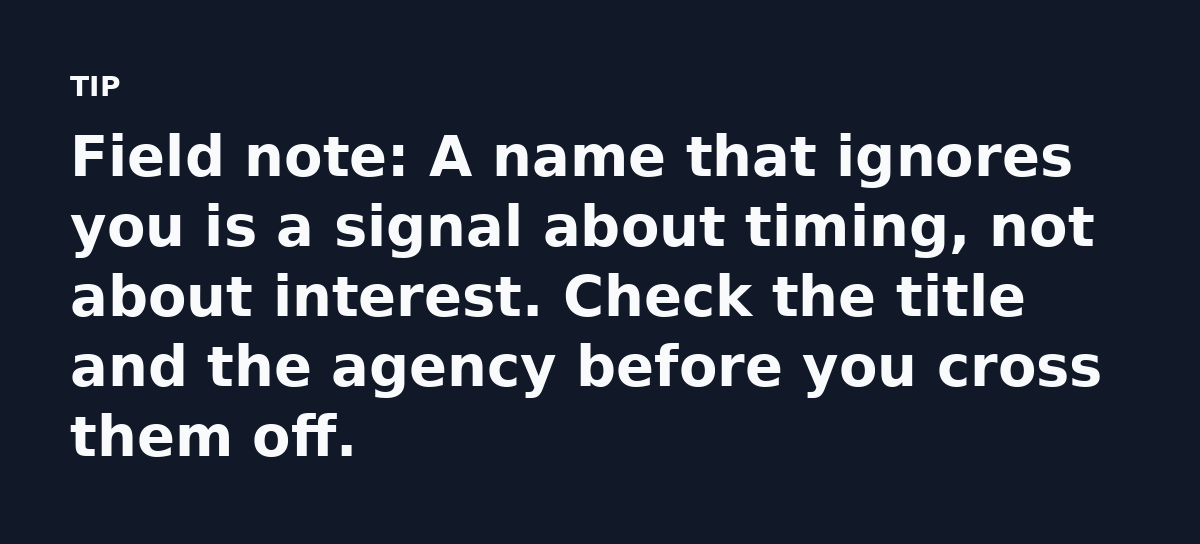
Cold is a label you put on a slow buyer. The contact who ignored three emails may be waiting on budget approval. Or they are six months away from writing the RFP.
Before you write them off, check their title and their agency. Find where they sit in the buying process. Put them into a nurture track built for that stage. Call again when their budget cycle opens.
What to do this week
Pull your last 50 B2G leads. Sort them by agency and last touch date. Mark any contact with two or more touches. Those are your warmest names.
Then rewrite the follow-up sequence. Swap the product pitch for one useful resource per email. Keep each message short. Answer a question a government buyer actually carries into a meeting.
Measure time to contract instead of time to first reply. A 48-hour reply means little if the agency signs 14 months later.
The one move that matters
Stop judging B2G lead generation by how fast a name replies. Judge it by whether you stayed useful until the budget cycle caught up.
Pick one agency this month. Learn its goals and its buying calendar. Find the people who sign the check. Send something helpful. Then send something helpful again in six weeks. That habit will beat a fresh list every quarter.
Need this run for you? See the outreach service.