The federal government awards hundreds of billions of dollars in contracts every year. Most of that money goes to vendors who started tracking the buyer long before a solicitation went live. B2G lead generation takes longer than private-sector sales.
The process has six steps, in order, with the mistakes that cost real bids.
Key Takeaway
Government buyers respond to timing and paperwork. Register early and stay visible for months.
Step 1: Map the money before you map the buyer
Skip the org chart for now. Start with the budget. Every agency publishes spending plans and those documents tell you what is funded and what is wishful thinking.
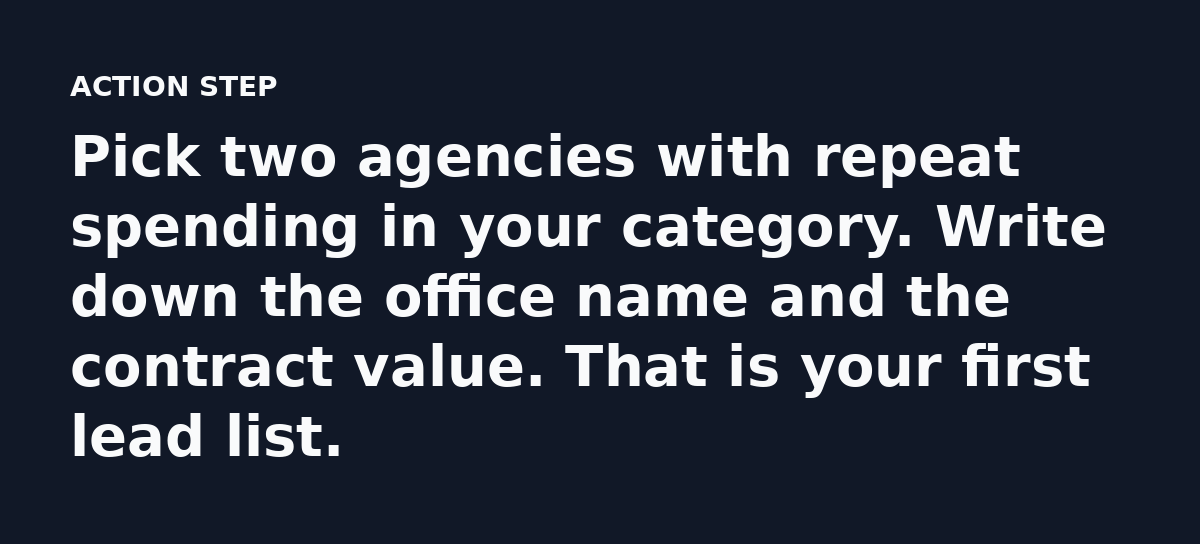
USAspending.gov shows past awards by agency and by contract value. Pull the last three years for your product category. You will see which offices spend real money and which ones only talk about it.
State and local governments publish similar data through their own procurement portals. It takes an afternoon but saves months of chasing the wrong office.
Step 2: Get registered and visible where buyers actually look
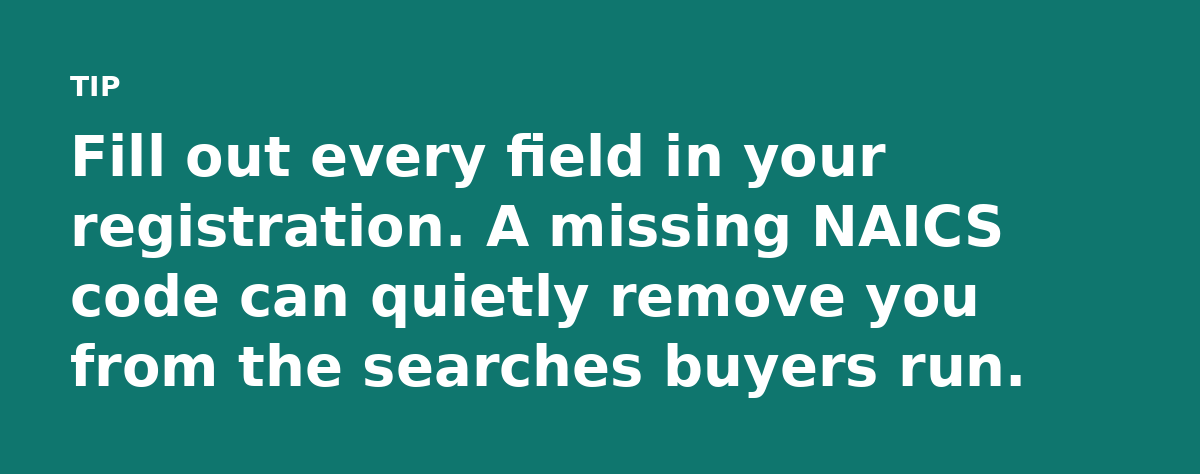
You cannot generate a government lead if buyers cannot find you. Register in SAM.gov if you want federal work. It is required before any agency can pay you.
Then build a one-page capability statement: what you sell and your past performance. Contracting officers read many of these, so make yours easy to scan.
Small business set-asides matter here. The federal government reports a goal of 23% of prime contract dollars going to small businesses. If you qualify, say so clearly on every profile and every document.
State and local agencies often buy through cooperative contracts. Getting on one of those vehicles lets an agency purchase from you without running a full open bid.
Step 3: Build a lead list that survives a procurement audit
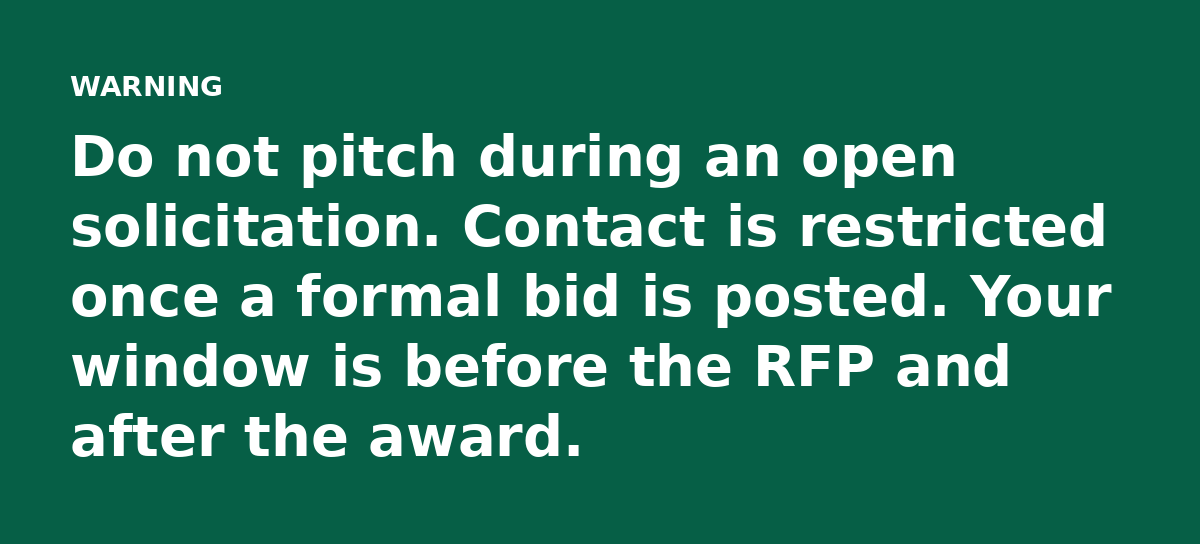
Before you count a contact as a lead, write down the office that owns the requirement and the date its contract comes up for recompete.
Filter for signals that suggest money is moving. A new budget line. A posted market research notice. Each one is a reason to reach out now.
Agencies often renew with the incumbent unless someone gives them a reason to look around. Reach out twelve months before that date.
Step 4: Qualify with budget signals, not gut feel
Commercial sales teams qualify on pain. Government teams need to qualify on money and process.
Ask two questions on every call. Is this need funded in the current budget? What is the buying vehicle?
If the answer to the first question is vague, the lead is cold.
A simple score works better than a long form. Priority score equals budget signal times timing. If either number is low, the lead is a lower priority.
Step 5: Follow a slow, useful cadence
Public sector buyers are cautious because they get audited and answer to oversight boards and taxpayers. Trust takes repeated, low-pressure contact.
Send a short note when a relevant agency publishes a new strategic plan. Share a case study from a similar agency.
Space these touches out. One useful email every three to four weeks beats five messages in a week. Buyers remember the person who helped them understand a problem.
Step 6: Turn one contract into your next lead source
Winning a government contract is the strongest lead generator you have.
Ask your contracting officer for a brief reference when the work wraps up. Write a short case study with real numbers and put it on your website.
Then go back to the spend data. Find agencies with the same problem and the same budget pattern. You now have proof and a reason to call.
Most vendors stop after the win.
What to do first this week
Open USAspending.gov and pull three years of awards in your category. Then confirm your SAM.gov registration is complete and fill every gap you find.
Need this run for you? See the outreach service.