Key Takeaway
Content writing is a set of choices you can copy. Weak drafts fill space, while strong drafts answer one question fast and back it up.
This is a side-by-side comparison: two drafts on the same topic with the same word count.
Why the Gap Looks Bigger Than It Is
Nielsen Norman Group reported that readers finish roughly 20% of the words on an average page.
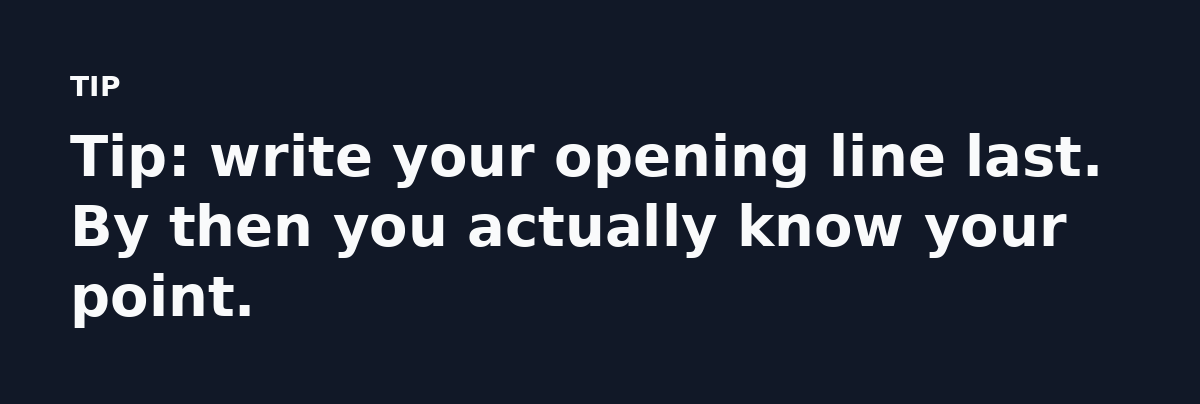
That is why line one decides whether line two gets read.
Comparison 1: The First Line
Warming up vs getting to the point
A weak opening warms up. A strong opening pays off. Late invoices cost a small firm about two hours a week. That single line tells the reader what they get and how fast. Opening with a general statement about how the market is changing tells them nothing they can use today.
The weak line warms up; the strong line pays off. Busy owners reward the second one with their attention.
Comparison 2: The Words You Pick
Jargon feels safe and sounds professional, but readers skip it because it slows them down.
Weak: “Leverage our solutions to optimize your workflow.”
Strong: “Use our tools to fix your workflow.”
Swap “utilize” for “use”. Swap “facilitate” for “help”.
Plain words read faster, so more of your page gets finished. Your keyword still appears, just without the padding around it.
Comparison 3: Proof
A claim without a number is an opinion. Search quality guidelines reward pages built on real experience and trust, so your reader runs the same test in their head.
Weak: “Our team is the best in the industry.”
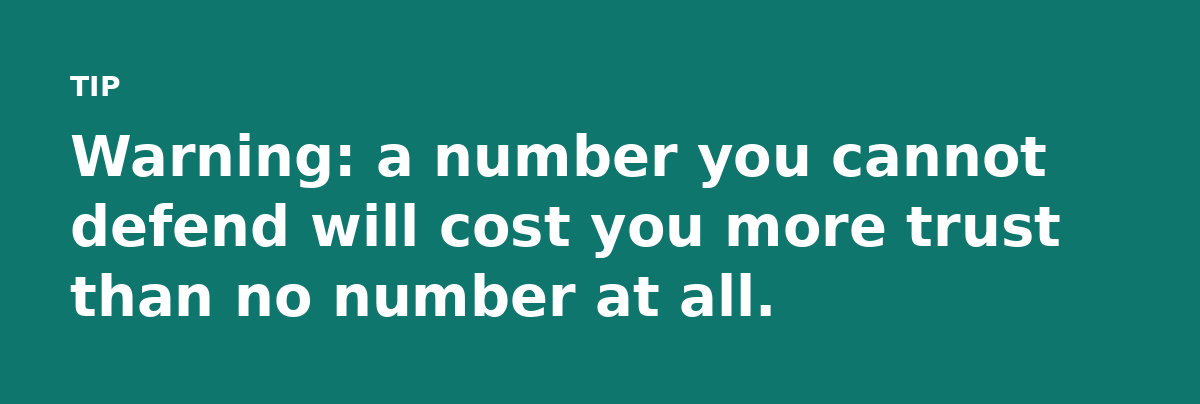
Strong: “We processed 4,000 invoices last month with a 1.2% error rate.”
You do not need a famous brand; cite one client result or point to a study. One solid fact beats a shelf of adjectives.
Comparison 4: Layout
The same 800 words can feel like a favor or a chore. White space decides which.
Weak drafts run eight lines to a paragraph, while strong drafts break every two or three sentences; subheads do the scanning work for the reader.
People scan before they commit. One heading tells them where they are; the other tells them why to keep going.
Two headings compared
Weak: “Our Approach”
Strong: “How to Cut Approval Time in Half”
The first labels the section; the second gives a reason to read it.
Comparison 5: The Edit Pass
Writing is one job; cutting is the other. Weak writers skip the second one entirely.
Strong writers remove about 15 to 20% of their draft before publishing. Cut the filler. Delete the repeated point.
A quick test works on every sentence. Read it and ask what it adds; when the answer is nothing, it goes.
Side-by-Side Reference
| Element | Weak habit | Strong habit |
|---|---|---|
| Opening line | Warm-up and background | A clear promise or payoff |
| Word choice | Jargon and filler | Short plain words |
| Evidence | Adjectives and claims | One fact or named source |
| Layout | Long dense blocks | Short paragraphs, sharp subheads |
| Editing | Publish the draft | Cut 15 to 20% first |
What to Check Before You Publish
Read your first line and ask whether it promises something useful in plain words. Find every claim and attach a number or a name to each one. Count your paragraph lengths; any block over four lines needs a break. Read the whole thing out loud, because every spot where you stumble is a spot where a reader leaves.
That last check takes two minutes and catches more problems than any grammar tool on the market.
The One Thing to Remember
Content writing rewards clarity over cleverness. Pick one idea, lead with it, prove it and cut everything that does not help the reader act. Run that loop on your next post and watch the same effort pull better results.
Start with the opening line. That one edit will do more than any redesign of your page.
Watch the 30 second summary
Video transcript: One sentence, one promise. A weak opener warms up while a strong one pays off. Readers finish only a fifth of a page, so line one decides if line two gets read. Swap utilize for use. Swap facilitate for help. Plain words read faster, so more of your page actually gets finished. Your keyword still appears, just without the padding around it. A claim without a number is just an opinion. Say you processed four thousand invoices with a low error rate. One solid fact beats a whole shelf of adjectives. White space decides if eight hundred words feel like a favor or a chore. Break every two or three sentences. Let subheads do the scanning work before readers commit.