A public contract that expires in nine months is a better B2G lead generation target than a fresh contact at the same agency.
The money is already committed and the buyer has a date on the calendar. Both facts sit in public records and you can find them before you send an email.
A rep downloads 2,000 agency contacts with no contract dates. Every call opens with “Do you have a project?” which leaves the timing question unanswered.
Key takeaway
Build a short list from public budget records and expiring contracts before you add contacts.
What does B2G lead generation mean in practice?
B2G means business to government. A B2G lead is a public agency contact tied to a funded problem.
You need a reason the agency will buy soon; that reason usually sits in a document such as a budget line or a contract end date.
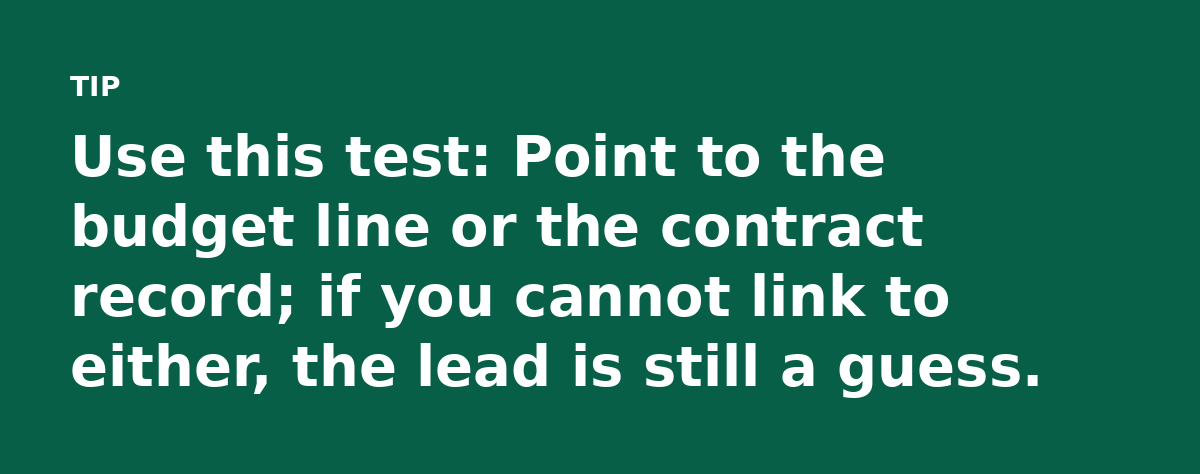
Ask whether you can name the agency and the date its money becomes available; if not, keep researching.
Where should you look for government leads?
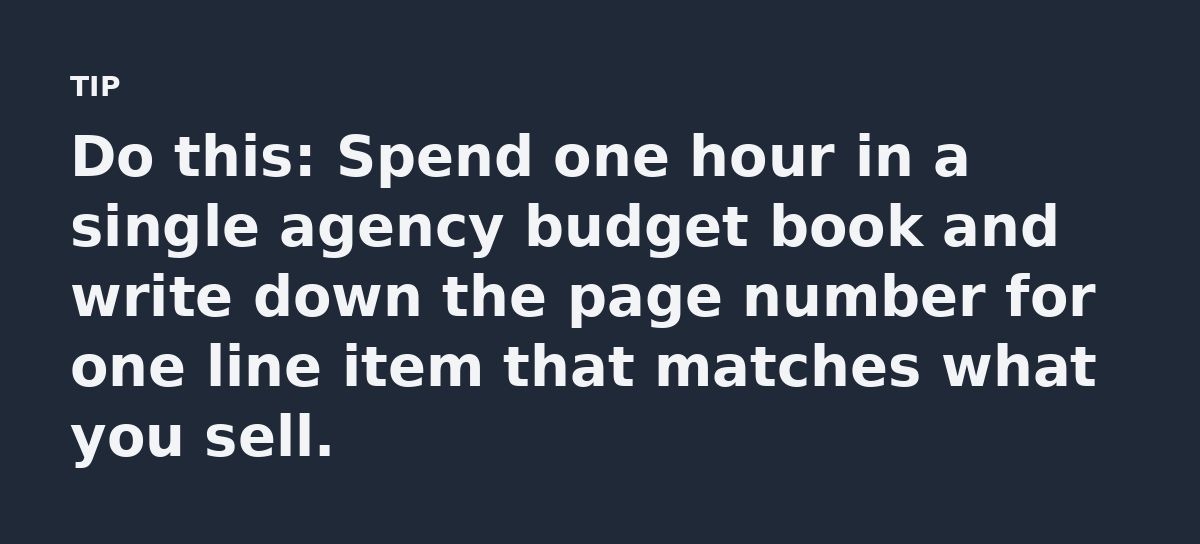
Start with two public sources: procurement portals show open bids and awarded contracts; agency budget books show what leaders plan to fund.
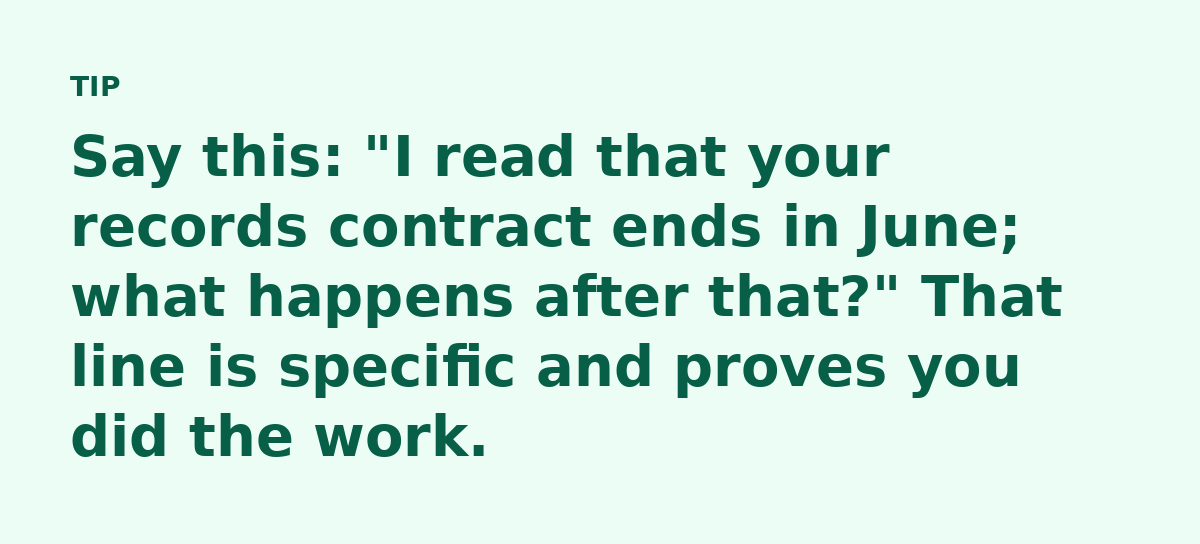
Then look for renewal dates: a city records-management contract may run a base year plus four renewal options.
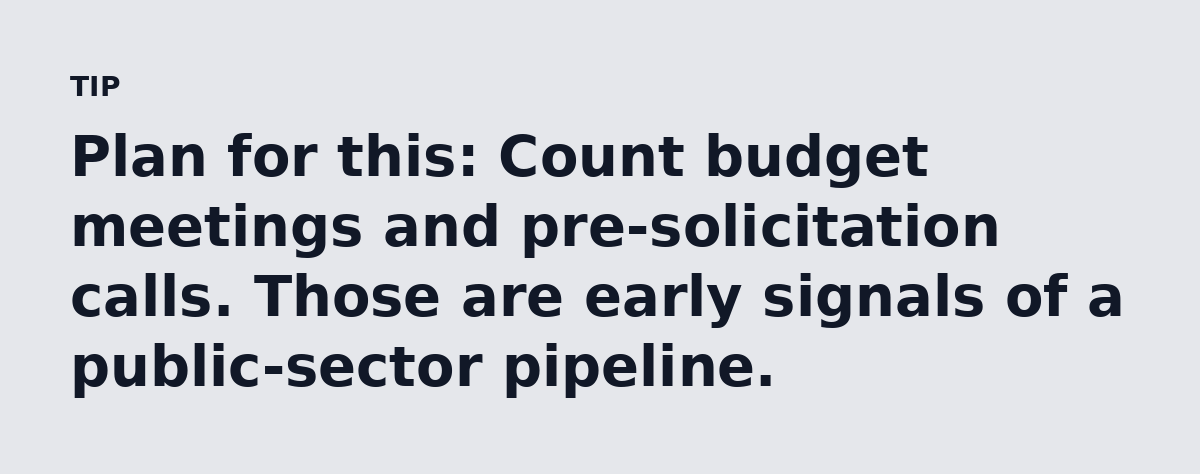
Pre-solicitation notices show a project is underway while the rules are still open.
How do you qualify a public-sector lead before the first call?
Score each of the four signals from 0 to 2, then add the total.
- Budget fit: Is there an approved line item for your category?
- Timing: Does a contract expire or a project start within the next 12 months?
- Owner: Can you name the person who runs the program?
- Past purchase: Has the agency bought something similar in the last four years?
A score of 6 or higher earns outreach; anything below 6 gets more research before a call.
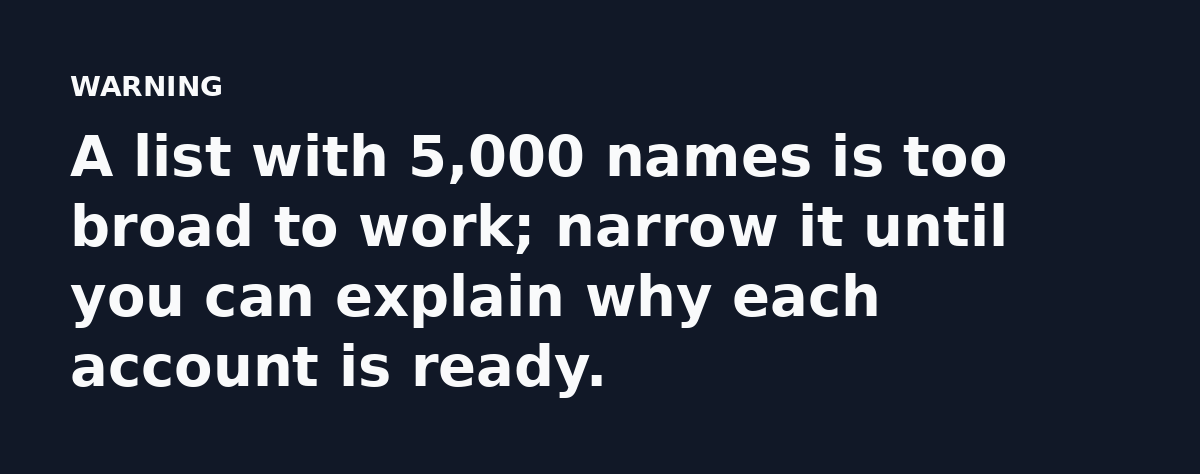
Here is a pattern: a school district has an approved network refresh and a contract ending in June, a combination that scores 4 before you find the buyer. Add a named IT director and a past purchase to reach 8.
When is the right time to contact a government buyer?
Contact early enough to learn, because a generic pitch wastes the buyer’s time. Budget planning and pre-solicitation are the useful windows.
Once a bid is live the rules can limit what an agency will discuss, but you can still bid because the requirement is mostly fixed by then.
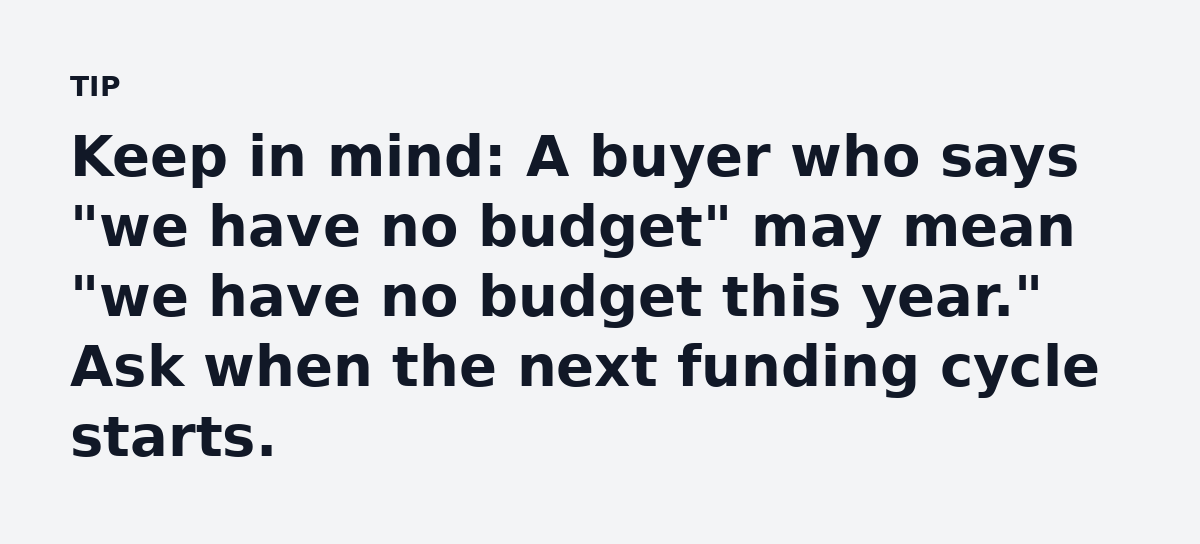
Track four stages for each account: budget request, budget approval, solicitation and award. What you say changes at each stage.
What should you ask on the first conversation?
Skip the product pitch and ask about the work behind the contract; four questions fit almost any agency.
- What prompted this project?
- What does the current contract cover?
- Who signs off on the purchase?
- What would make this a bad fit?
The last question saves time. A buyer may explain the rule that kills deals, such as a mandatory state contract or a freeze on new vendors.
How do you build a lead list without buying junk?
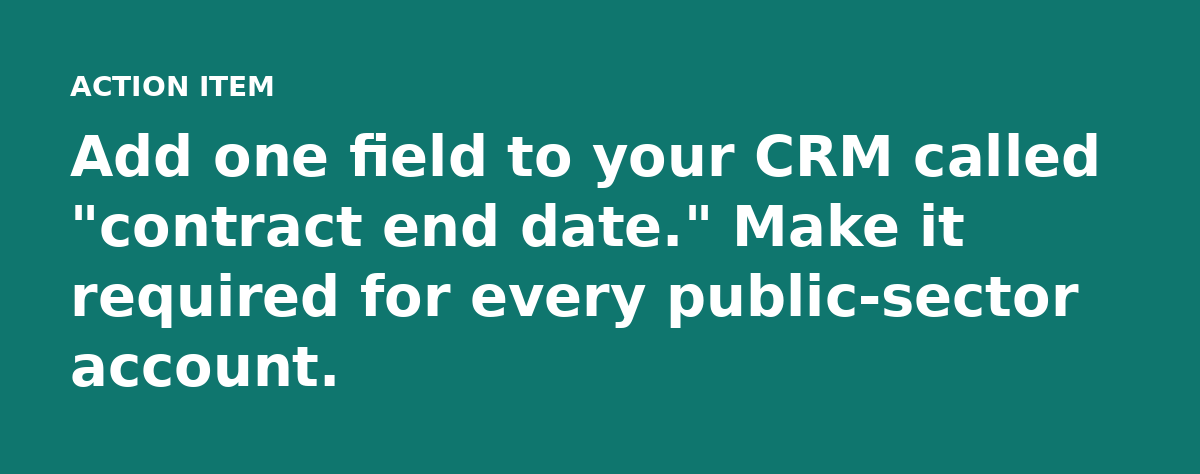
Build each row from a public record with the agency, department, contract end date, budget line and source link.
Contact data goes stale fast: a title from two years ago may be wrong, so verify the person on the agency website before you send anything.
Keep a source link for every row so you can check a cold lead again or hand the row to a teammate without a long explanation.
How long does B2G lead generation take?
Building a useful list takes 60 to 120 days. Winning the work can take much longer.
A small city may move from budget approval to award in six months. A state agency with a formal bid process can take a year or more.
Set the expectation with your team that the first 90 days are for research and conversations; revenue follows later.
What should you do this week?
Pick one agency that already buys your category. Pull its budget book and its expiring contracts.
Choose one contract that ends within the next 12 months and send its program owner a two-sentence note that asks what happens next.
Repeat the process until you have ten accounts with a named owner.
Start with one agency, then make the call.
Need this run for you? See the outreach service.