Executive Summary
B2G lead generation fails when sellers treat a public-sector contact like a consumer lead. This FAQ covers how to score a real lead and which content moves government buyers toward a conversation.
A government lead can go quiet after three unanswered emails. Many sellers drop it.
What does B2G lead generation mean?
B2G means business to government. You sell to a public agency, from a city office to a federal department. The buyer uses public money and answers to auditors and voters.
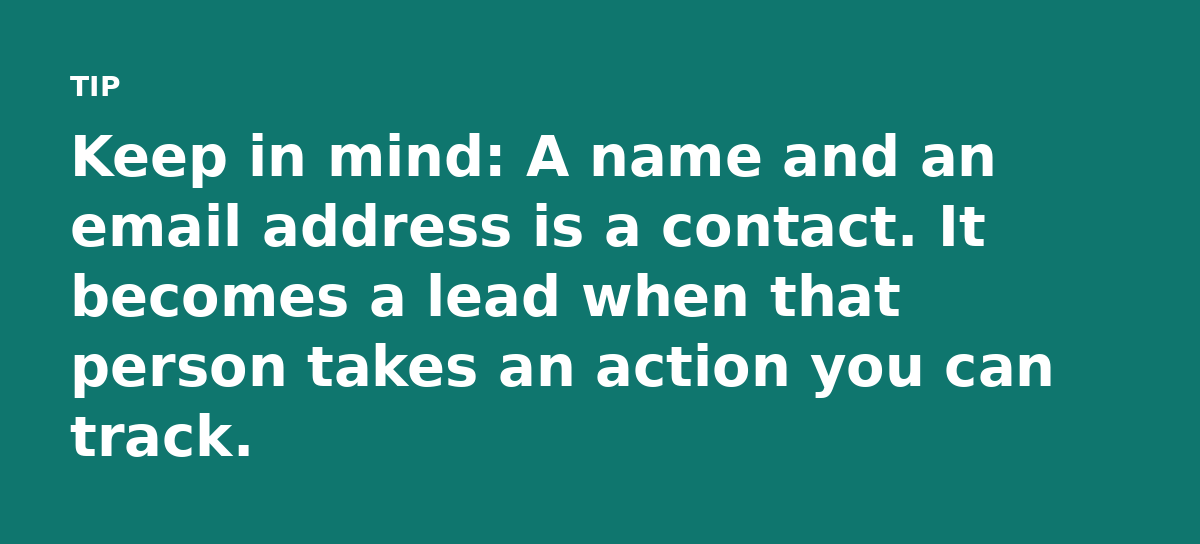
That changes what counts as a lead. A government lead is a person at an agency who has shown interest in the problem you solve.
What makes a government lead real?
Look for two things: repeated touches and a role in the buying group. One webinar signup proves curiosity. Four visits to your resource page in a month prove intent.
Put a number on it. Give one point for each content touch in the last 90 days. Add two points if the contact has a buying-group role or the agency has an open RFP. Send anything scoring four or higher to sales. The rest goes into nurture.
If your score is a gut feeling, you have no score. Write the rules down and apply them to every lead for a quarter. You will spot the pattern fast.
How many touches should you expect?
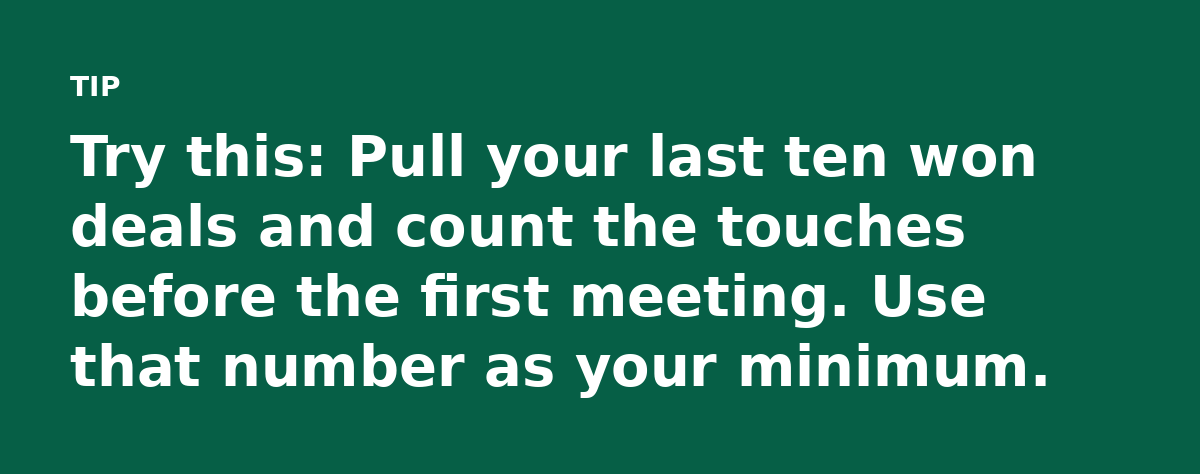
Set a minimum, because a campaign needs more than one email and one call. A webinar signup, a paper download, a pricing page visit and a direct reply count as four signals.
Use more than one channel because email alone gets ignored in agencies with filtering rules. Pair it with a newsletter, a webinar, a targeted ad and a short video.
Space the touches. Five emails in one week look like spam, while five useful pieces over five weeks look like a vendor who understands the agency’s calendar.
Who is actually in the room when government buys?
Government buys in groups. An IT director can champion your tool and still lose to a finance officer who controls the budget; a mayor can push a project that IT never requested.
Map the buying group before you write a single email: include the program lead, the IT reviewer, the finance contact and any elected official with a public goal tied to your product. The group has four seats; missing one stalls the deal.
Watch for non-traditional buyers. Line-of-business leaders and policy staff now influence tech purchases, so expect questions that sound different from an IT review.
Why did your lead go silent for nine months?
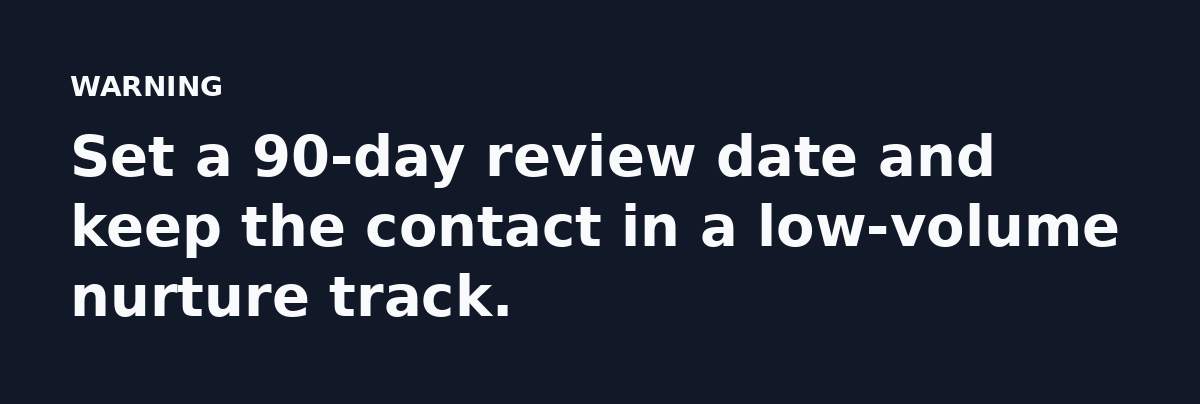
The government buying cycle often runs 9 to 24 months. A contact who goes quiet may be six months from an RFP, so silence often means timing.
Check the jurisdiction for a published strategic plan or an upcoming budget hearing; these signals tell you when to re-engage.
Do not mark a quiet lead as dead until you have checked the agency calendar. You will kill deals that were not ready to close.
Which content earns the download?
Educational content wins. Your reader wants a checklist that helps them pass an audit or a guide to a funding rule they keep getting wrong.
Ask one question before you publish: does this help the reader do their job this week? If the answer is no, do not publish it.
One strong asset can feed a month of campaign work. Turn a webinar into a short video, a written Q&A, a slide deck and a newsletter blurb.
Which content wastes your budget?
Product sheets and sales decks pull weak leads. A government buyer cannot defend your datasheet in a finance committee, so give them something they can.
Replace the generic trend report with a 12-page guide to a specific procurement rule.
Narrow the audience until the piece feels written for one office, then write the next piece for a different office.
Should you buy a contact list?
A purchased list gives you names with no record of intent. You will miss who attended a webinar last month or who downloaded a rival’s guide.
Cold lists can fill the top of a nurture campaign when you have nothing else, but expect low response and budget for many touches before anyone replies.
A better approach: build a list from behavior. People who attend your sessions and visit your resource pages are showing you which agencies have a live need.
What do you do in the first 48 hours?
Follow up within two days, before the lead cools. Send a short note that references the asset they touched and one useful link tied to the agency’s published plan; leave out the pitch.
Personalize at two levels: the person and the agency. Mention the department’s stated goal and offer a one-line question, so the reply is easy.
Have a point of view about their operations. The permits team loses days per case because two systems do not share data; say how you would fix that.
How do you prove the campaign worked?
Track cost per qualified lead,
Need this run for you? See the outreach service.