
Around 73% of B2B buyers say email is their preferred way to hear from a vendor. Most B2B lead generation still gets ignored anyway.
The channel works. The habits around it usually don’t. Below are the mistakes that drain pipeline. Each one has a fix.
The Short Version
B2B lead generation fails on execution. A bought list and a pitch-first email shrink your pipeline before anyone replies. So does a scoreboard that counts opens instead of conversations.
Fix those habits and a modest send can beat a big one.
Where B2B lead generation goes wrong
Outbound gets blamed for low reply rates. The real damage happens earlier. Bad data hurts more than the channel ever could. So does a lazy first line.
Mistake 1: You rent a list and call it demand
Purchased lists feel fast. They also carry stale addresses and spam traps. One trap hit can damage your sender reputation for weeks.
People change jobs. The list rarely keeps up. Start with people who already showed a signal instead. Someone who visited your pricing page twice is warmer than a stranger from a spreadsheet.
Mistake 2: The first line asks for the meeting
A cold email that opens with a demo request asks a stranger for 30 minutes. That trade rarely works.
Lead with something the buyer recognizes. Mention the second warehouse they just opened. That line proves you did five minutes of homework. A reference to the four support roles on their hiring page works for the same reason.

Mistake 3: Opens are not replies
Open rates lie. Apple’s Mail Privacy Protection preloads images, so an open can mean a machine loaded a pixel. It says nothing about interest.
The number to watch
Track replies per 100 sends and booked meetings. Those numbers are harder to fake. Cost per qualified meeting = total outreach spend divided by meetings booked. If that figure climbs, your targeting is off.
Mistake 4: One follow-up, then silence
Many teams send one email and stop. A single touch rarely earns a reply, so the silence feels personal. In practice, replies usually arrive after the third or fourth attempt.
Plan four to six touches over two weeks. Change the angle each time so the buyer has a new reason to reply. One note can share a relevant case. The next can ask a short question.
Mistake 5: One message for every buyer
A CFO and a warehouse manager care about different things. The same email will land flat for both.
Split by role and by industry. A logistics company worries about dock scheduling. Churn keeps a software team up at night. Write one version for the operator and one for the budget owner. Compare replies across each group.
Mistake 6: The plumbing gets ignored
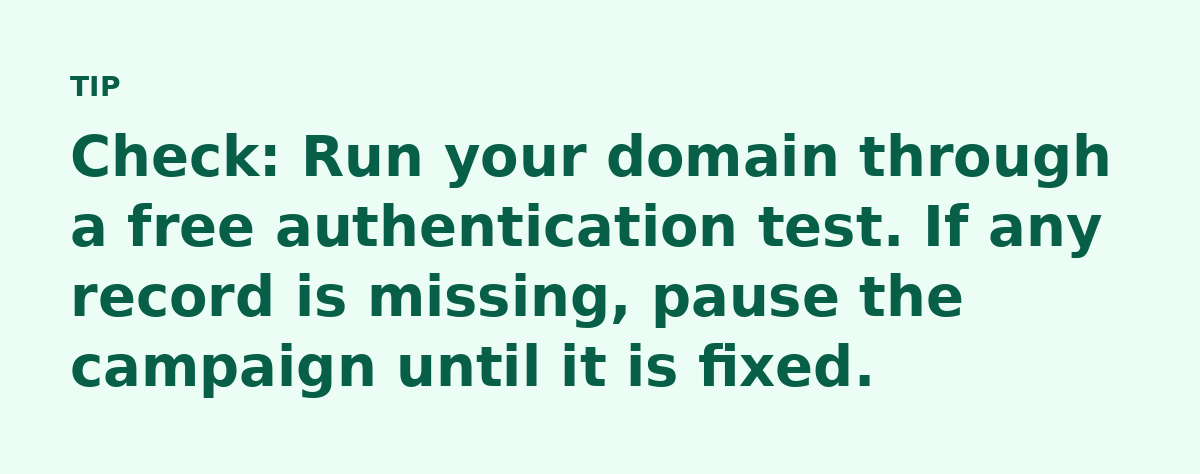
Deliverability is boring until your domain gets blocked. Authentication records matter. SPF, DKIM, DMARC and a warmed-up sending domain are table stakes now.
Keep bounce rates under 2%. Cleaning the list before every send is the easy part. Warming a new domain takes two to three weeks before you push real volume through it.
Mistake 7: Sales gets a cold lead and no context
A form fill is not a conversation. If sales waits a day to call, the buyer has already moved on. Speed matters more than the script.
Put the handoff in writing
Set a response rule. Five minutes is the target for inbound leads. Give sales the source and the exact words the buyer used. That context turns a cold call into a relevant one.
Write down what counts as qualified. Marketing and sales should agree on that definition before the month starts.
What to fix first
Do not rebuild everything at once. Start with the input, because bad contacts make every later step harder.
- Replace one purchased list with 50 contacts who showed a real signal.
- Rewrite the first line of your top email so it mentions one specific detail about the buyer.
- Move replies and booked meetings to the top of your weekly report. Remove opens.
- Set a five-minute response rule for inbound leads and put it in writing.
Then run the same send for two weeks and watch replies instead of opens. Change one variable at a time.
The one B2B lead generation fix to do today
Open your contact list and find the 20 names with the weakest reason to be there. Delete those names. A smaller list with a real reason to reach out will usually beat a bigger one.
Need this run for you? See the outreach service.