Key takeaway
B2G lead generation starts before a request for proposal exists. Get on the vendor lists agencies already use, then back your name with proof. That order builds a pipeline cold email rarely produces.
Federal agencies must publish contract notices above $25,000 on SAM.gov. That rule tells you where B2G lead generation begins. The buyer is already working from a vendor list.
Many vendors sell to government the way they sell to enterprises, with a polished pitch and a long chase. They have the order wrong: they chase the meeting before they earn a place on the list.
1. Register where the work gets posted
Start with SAM.gov: complete your entity registration and keep it active, then add the state portals that cover your territory. Texas uses the Electronic State Business Daily. California posts on Cal eProcure.
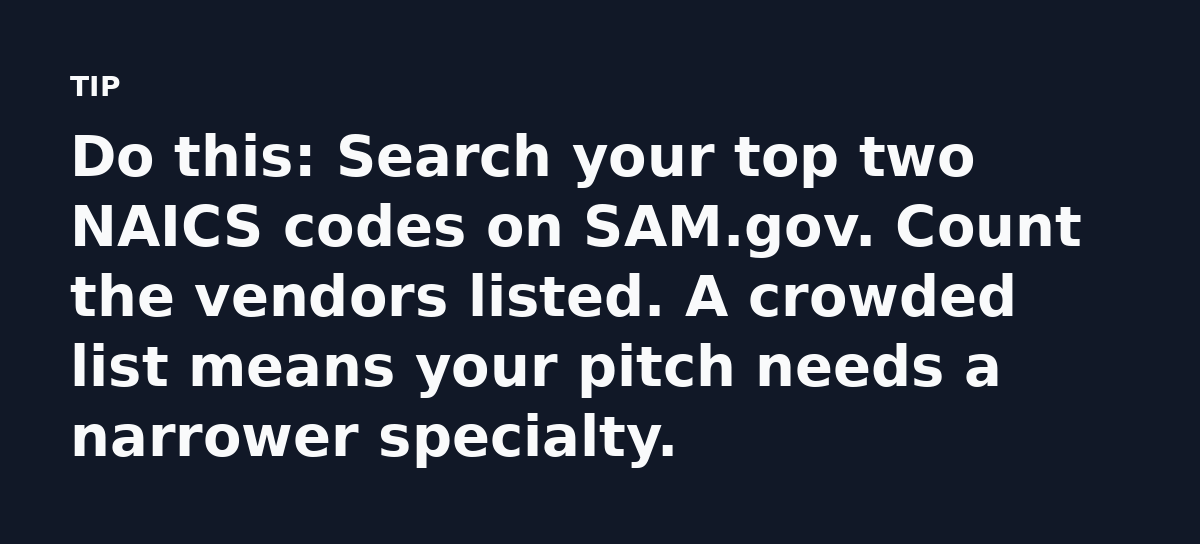
Pick two portals that match your market and check them twice a week. Registration makes you visible when a contracting officer searches by NAICS code. A wrong code hides you.
2. Make your capability statement do one job
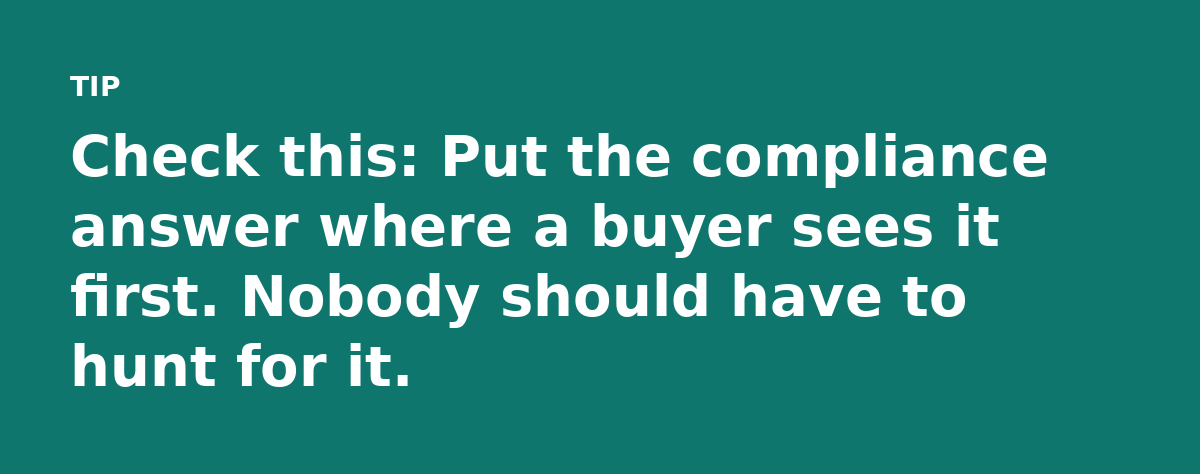
Contracting officers want one answer fast: can this firm do the work and stay compliant? Put your NAICS codes and past performance on page one.
Keep it to one page with plain type and skip the company history. Add a named contact and a phone number a human answers.
3. Watch contract expirations
USAspending.gov lists the agency and the end date for past awards. That end date is your lead. A contract ending in 12 to 18 months gives you time to build a relationship before the recompete.
Set a reminder 18 months out. Send the program office a short note about transition risk.
Score each lead before you call
Use a simple 100-point score: 35 points for a matching NAICS code, 25 when the contract expires within 18 months, 20 for an active contract vehicle and 20 for a past award to a similar agency.
Work the top of that list first. Skip anything under 50 until next quarter.
4. Turn prime contractors into a referral channel
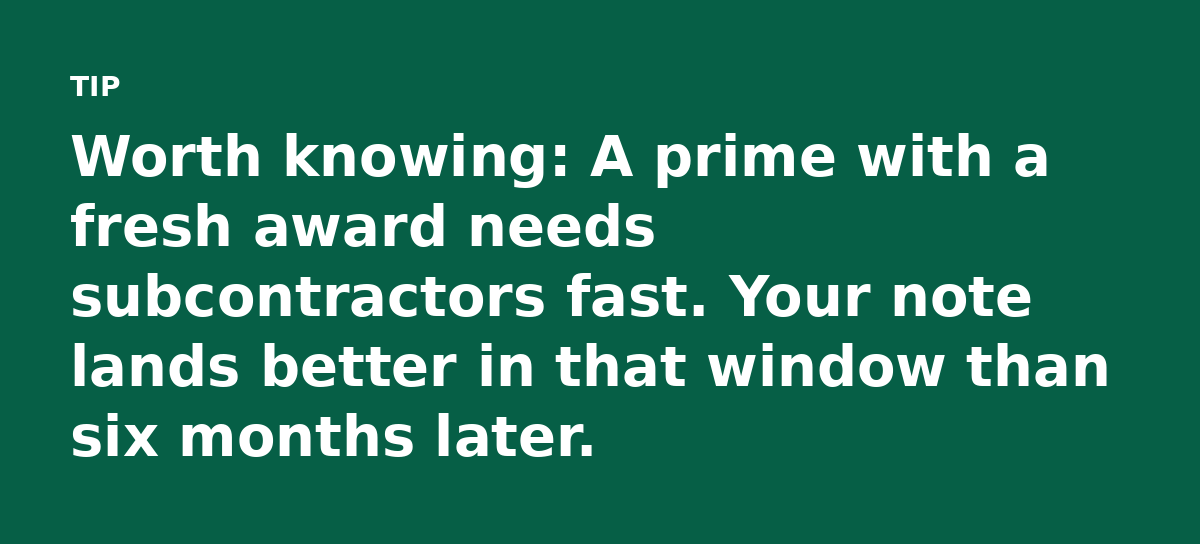
Large primes need small partners to meet subcontracting goals. The government-wide small business target is 23% of prime contract dollars, according to public reports. That number creates steady demand for firms with a proven niche.
Find primes that already hold your agency’s contract vehicle and read their subcontracting plans. Send a one-page summary of the work you can absorb, naming the agency and the task area.
5. Publish proof a buyer can verify
Government buyers check references and read past performance reports, so make that work easy. Post case studies that name the agency type and the measured result.
When a client cannot be named, describe the category and the metric. A county that cuts records retrieval from four days to six hours gives a buyer something to compare. That detail carries more weight than a slogan.
Add the contract number when it is public and link to the award record. A buyer who can verify your claim moves faster.
6. Follow the budget calendar
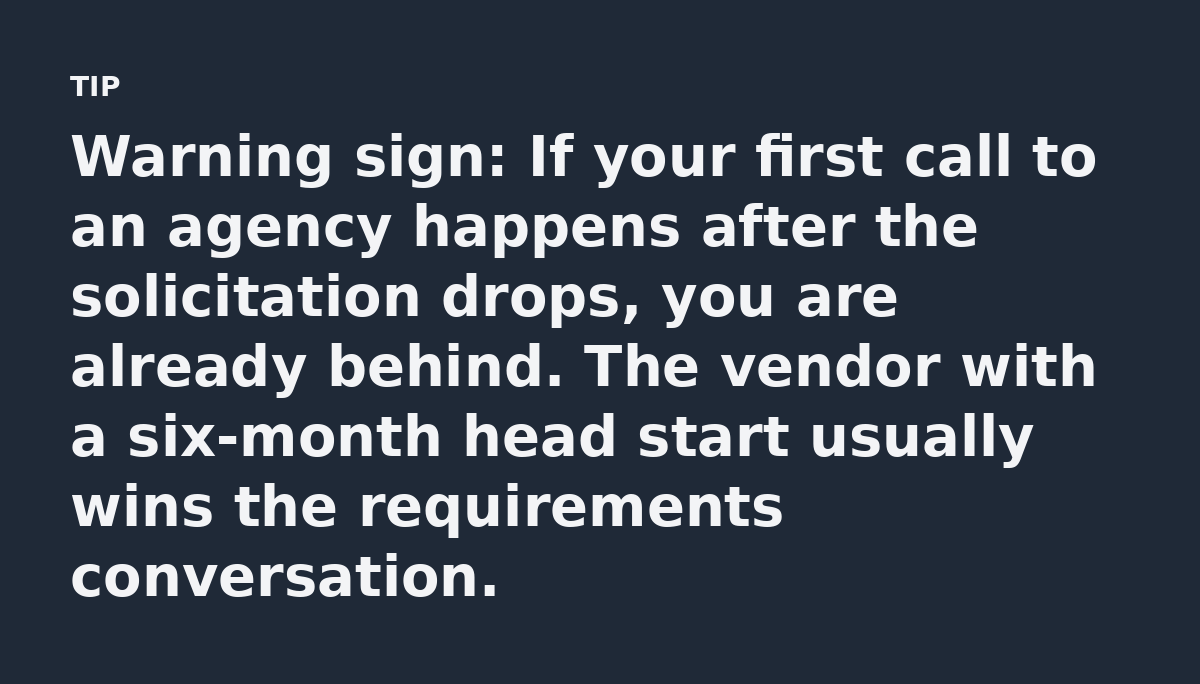
Agencies plan months before they buy and awards cluster near the fiscal year close. Your outreach should match those windows.
Build a calendar for each agency you target and note when planning starts and when requirements take shape. Ask about the next cycle instead of leftover funds.
Most states start their fiscal year on July 1. The federal year ends September 30.
What to do this week
- Confirm two NAICS codes on your SAM.gov profile.
- Pull one year of awards for your top agency from USAspending.gov.
- Add expiry dates for five contracts to your CRM.
- Send one capability statement to a prime contractor.
That gives you a working B2G lead generation list before the next notice drops. Keep it warm with one useful call each month.
If you only do one thing, fix your SAM.gov profile today.
Need this run for you? See the outreach service.