Executive Summary
B2G lead generation rewards teams that read public records and time outreach to the fiscal calendar. A government buyer publishes intent months before a demo request. Build lists from public documents and score them on contract reality.
Budget books, board agendas, contract notices and procurement portals name the buyer before a form ever gets filled. That changes how you build a list and when you make the call.
Field Note 1: The Form Fill Arrives Late
A department head writes a business case and budget staff score it. Procurement posts a solicitation and a vendor gets called when the draft is done.
By the time a contact form appears, the shortlist may already exist, so a program that waits for inbound is guessing. The useful signal shows up earlier, in a capital plan, a council packet, a contract renewal schedule or a vendor notice.
Field Note 2: Public Records Beat Paid Lists
Paid B2G lists sell names. Public records show timing that closes deals, so start with the spending record. According to federal and state spending records, U.S. federal agencies award roughly $700 billion in contracts each year and state and local governments spend more than $2 trillion across all functions. Every award leaves a record.
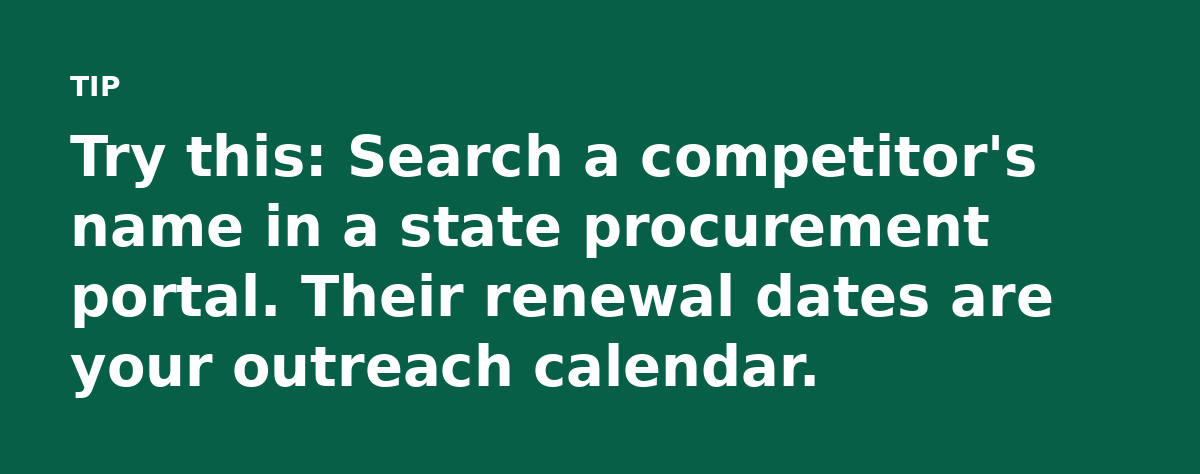
Use USAspending.gov for federal awards and SAM.gov for solicitations and entity records. State procurement portals carry their own notices and city council packets show what staff plan to buy next year.
Where to look first
Pick one category and one state, then pull 12 months of awards in that category. Sort by agency size and you now have a target list built from spending evidence. Then check which of those agencies have a contract ending soon.
Field Note 3: The Fiscal Calendar Qualifies B2G Leads
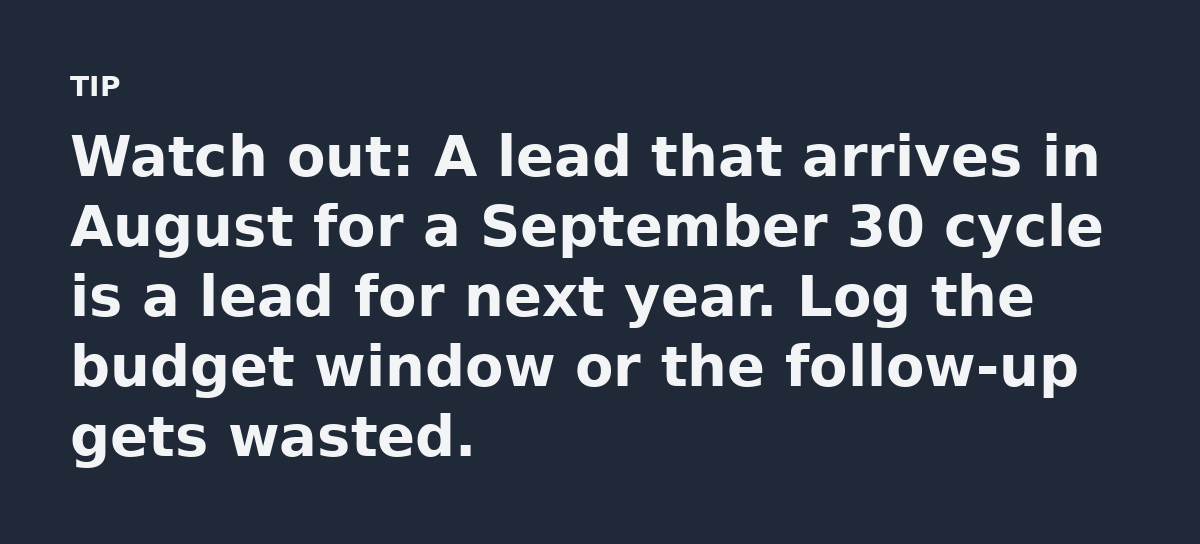
The federal fiscal year ends September 30, while many states start their budget year on July 1. Local cycles follow their own schedules and a lead with no budget window has no clear follow-up date.
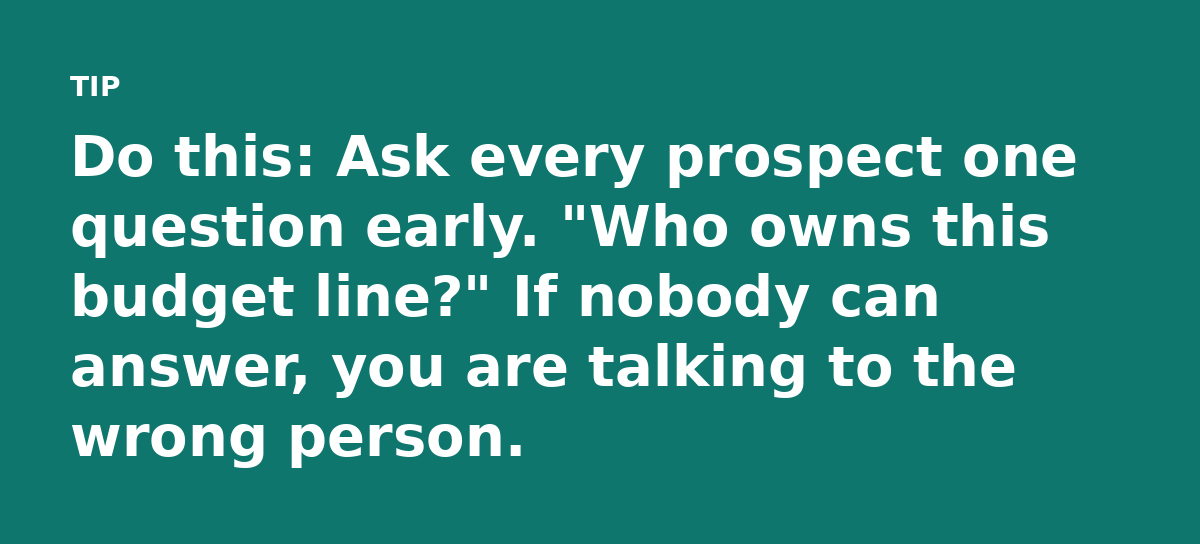
Agencies often spend remaining budget before the fiscal year closes, which creates a rush in the final quarter. Then the pipeline goes quiet, so time outreach to the planning months. A budget request usually forms six to nine months before a solicitation appears. Ask one question on every call: “When does this money need to be committed?”
Field Note 4: Score B2G Lead Generation on Contract Reality
Most lead scores measure interest, but public-sector lead scores should measure readiness to buy. Use four inputs and keep the math simple.
- A funded budget line or capital plan reference: 0 to 3 points.
- A current contract that expires within 12 months: 0 to 3 points.
- A named owner inside the agency: 0 to 2 points.
- A known route to contract, such as a cooperative agreement: 0 to 2 points.
Add them up. A score of 10 means the buyer has money, a deadline, a person and a path. Six or below goes to a watch list and you should revisit it when the next budget draft lands.
The 10-point score in practice
A county publishes a five-year IT plan with a line for a citizen portal replacement, a project two budget cycles out. That record is a lead now, even with no RFP on the street. Put it in the pipeline with the expected solicitation quarter attached.
Field Note 5: References Move Deals Faster Than Copy
Public buyers carry personal risk and a failed purchase follows the program manager for years. Put a peer reference on the table early: name two agencies of similar size that run your product or service and add a phone number next to each.
Then show the route to contract: a cooperative purchasing agreement, a state master contract, a federal schedule or a prime contractor teaming arrangement. Buyers who know the vehicle move faster because the paperwork is familiar.
The First 30 Days of B2G Lead Generation
You can run this without a data vendor. Pick a narrow slice and work it hard.
- Choose one category and one region. Do not try to cover every agency on your first pass.
- Pull 12 months of awards and open solicitations. Use federal and state portals for the region.
- Flag every contract that ends inside 12 months. Note the program owner and the renewal history.
- Call the top 20 accounts before their budget window opens. Lead with a question about the renewal date.
Keep These in Mind
Teams that read the record arrive with the right question, while teams that wait for inbound start with a sales pitch.
Check the budget book before you open the CRM. Then set a reminder for the renewal date you find.
One thing to do now: find a contract in your category that expires within 12 months. Put the owner’s name and the renewal date in your CRM.
Need this run for you? See the outreach service.