Key Takeaway
B2G lead generation runs on a different clock than B2B. Government buyers publish their intent months before a contract exists. If you read the right public records, you can start selling while your competitors wait for a bid notice.
What a B2G Lead Really Is
B2G means business to government. You sell to a city, a county, a state agency, a school district or a federal office. The buyer spends public money under public rules.
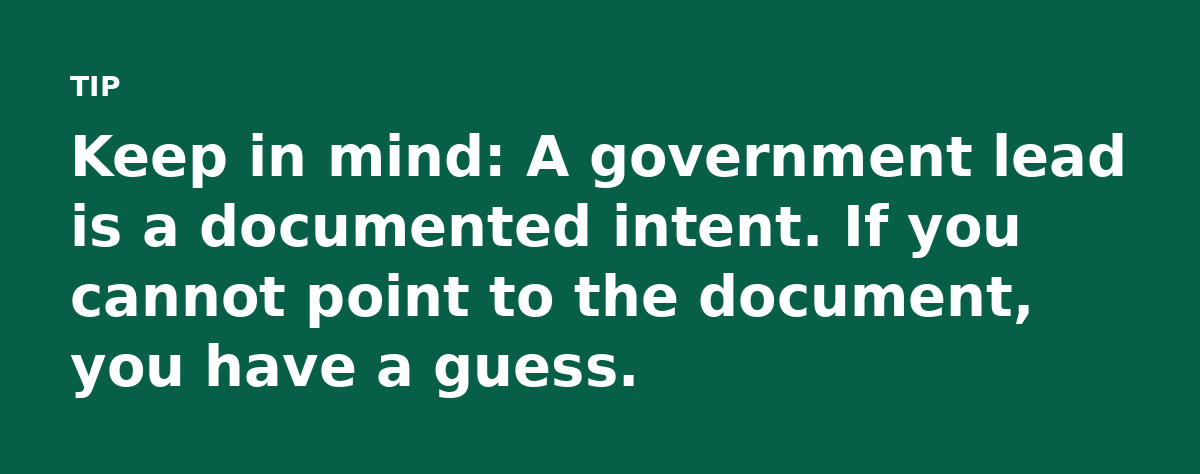
That changes what a lead looks like. A real lead is a signal that an agency has a budget and a reason to act soon. A name in a database tells you nothing about any of that.
Most agencies leave those signals in the open.
Why Your B2B Playbook Falls Apart Here
In normal B2B sales you can cold email a manager and book a demo this week. Government buying moves slower. Someone must fund the work, define the requirement, run a solicitation and award a contract.
Cold outreach still matters. It just cannot skip the front end.
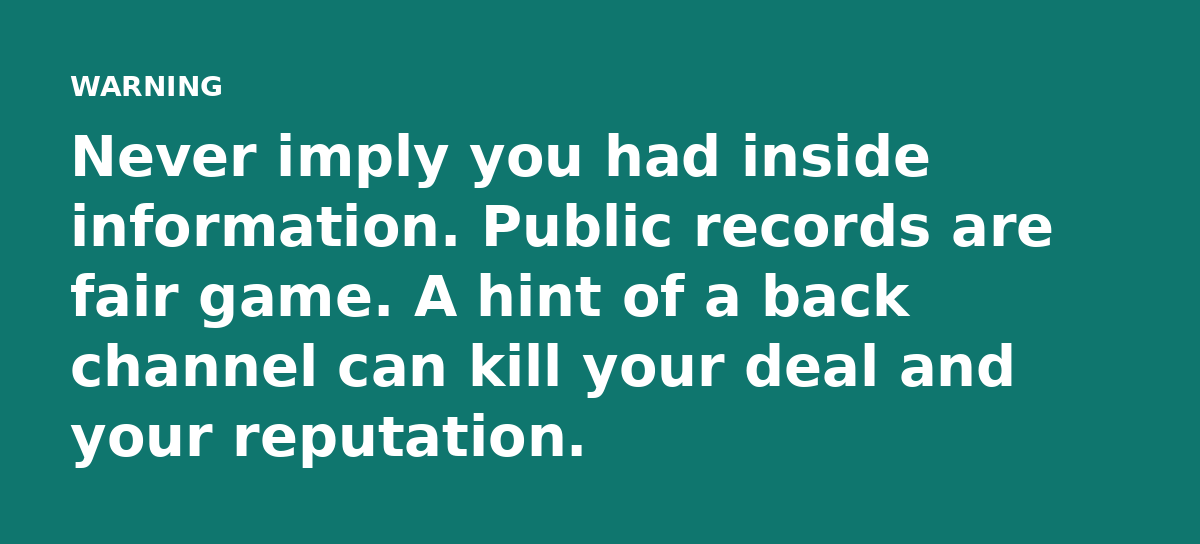
There is a second trap. Agencies cannot accept gifts or meals. Build the relationship on useful information. A free audit of a public process is fine. A steak dinner is not.
Where the Good Signals Hide
Start with money. Agency budgets are published. Look for new line items and replacement cycles. A line item for records digitization is a lead for a document processing vendor before any solicitation exists.
Then look at the buying records. Procurement portals post planned purchases and prior awards. Check SAM.gov for federal work and your state or city portal for local work. Filter by closing dates and by the office that buys, not just the job title.
Read meeting minutes. City councils and school boards approve spending in public. Five minutes of reading can tell you which department is about to buy.
Watch the expiring contracts. Government awards often renew on fixed cycles, many every 3 to 5 years. Note the end date. Reach out 6 to 9 months before it.
The Qualification Test That Saves Time
Not every public signal is a lead. Run each one through four questions.
- Is there a named budget line or an approved plan?
- Is there a person with a title who owns the problem?
- Is there a deadline or a renewal date?
- Can you deliver before that date?
If two or more answers are no, park it. If three or more are yes, make the call. This blunt filter will save you weeks.
How to Make First Contact
Government staff are busy and cautious. Skip the pitch. Send one short note that proves you read their document. Reference the budget line or the expiring contract by name.
Offer something they can use in a public file. A short comparison of how similar agencies solved the same problem works well. So does a plain checklist for the requirement they described.
Keep your claims boring and true. If you say you cut processing time, back it with a number from a real project. Government buyers check references. They will call the client you name.
Build the Pipeline Like a Calendar
B2G demand runs on fiscal years. Many agencies close their books in June. That means budget requests get built in the months before. If you show up in July, you missed the funding conversation.
Set your outreach to the budget cycle rather than your sales quota. Work backward from the award date and map the steps. Budget draft, review, approval, solicitation, award. Each step has a window where your input helps.
Track every agency contact as a record. Note the budget cycle and the name of the program owner. Over a year, that record becomes your best lead source.
What to Do Next
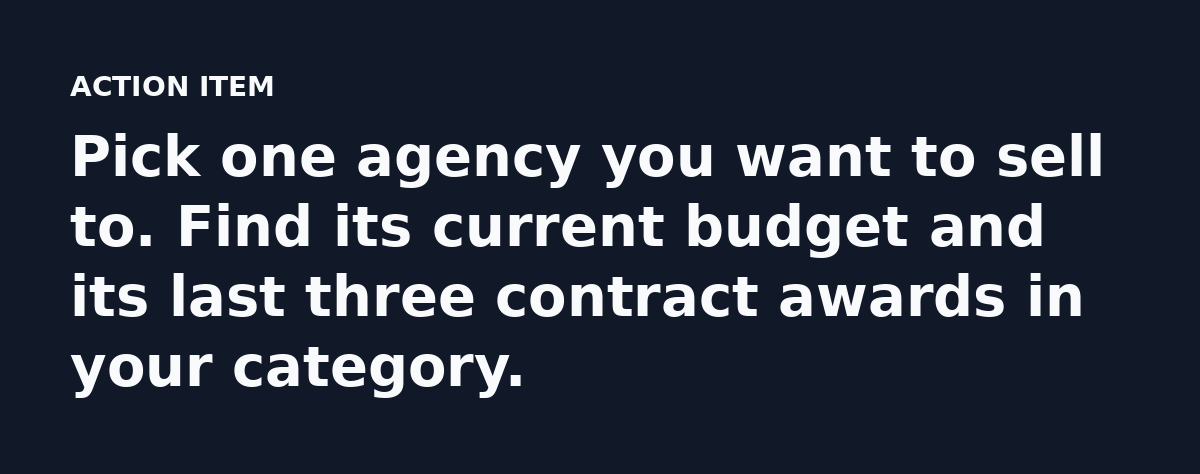
Start with one agency and one public document.
This week, write one page on the gap you can close and send it to the program owner with no ask beyond a short call.
Do that once a week. In a quarter you will have a real B2G pipeline.
Need this run for you? See the outreach service.