
Key Takeaway
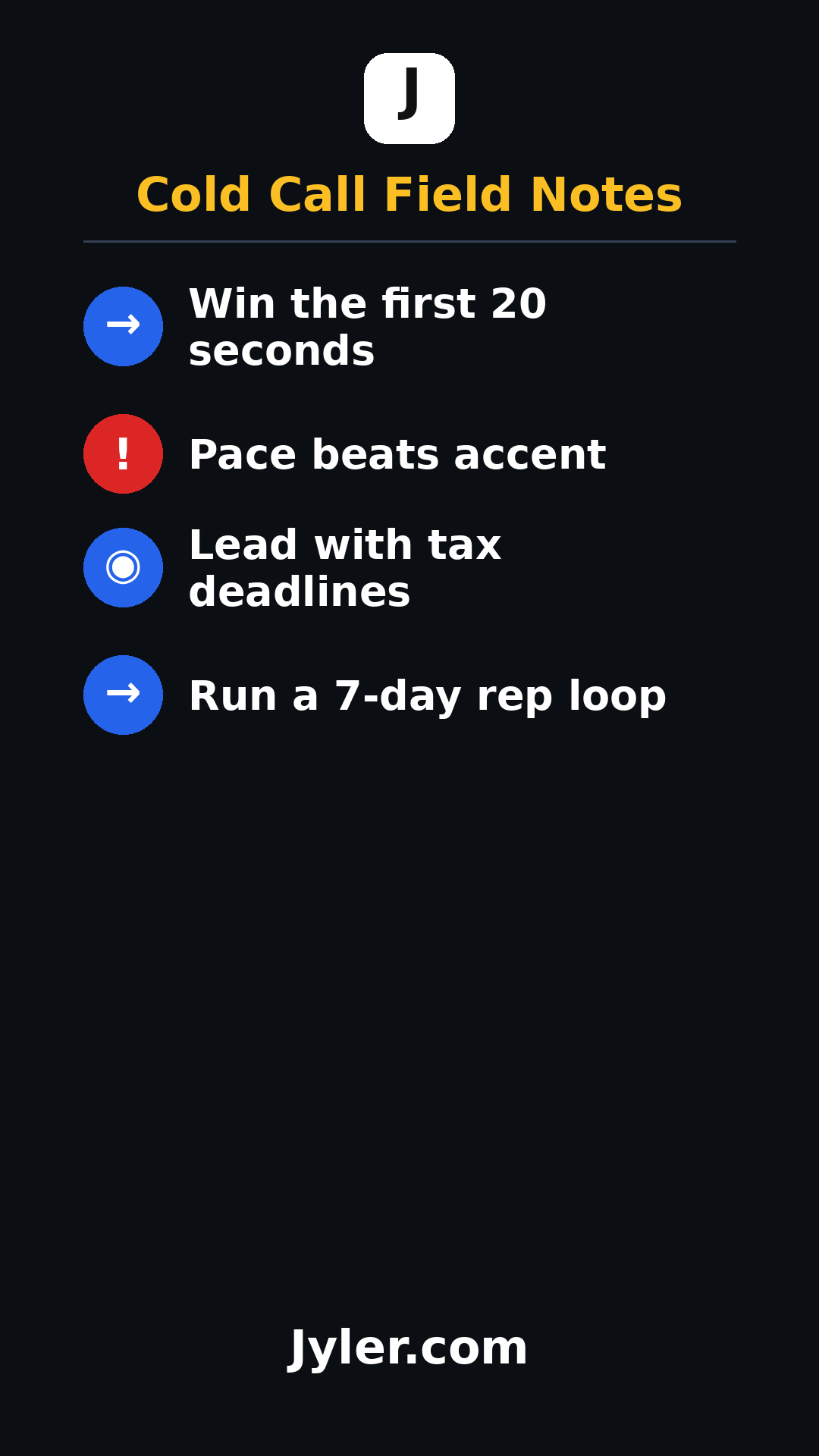
An appointment setting call lives or dies in the first 20 seconds. These field notes cover how to train that opening and run live scenario reps out loud. Buyers listen for proof that you understand their business. Hand them that proof fast and the rest of the call gets easier.
Field Note 1: The Opener Carries the Whole Call
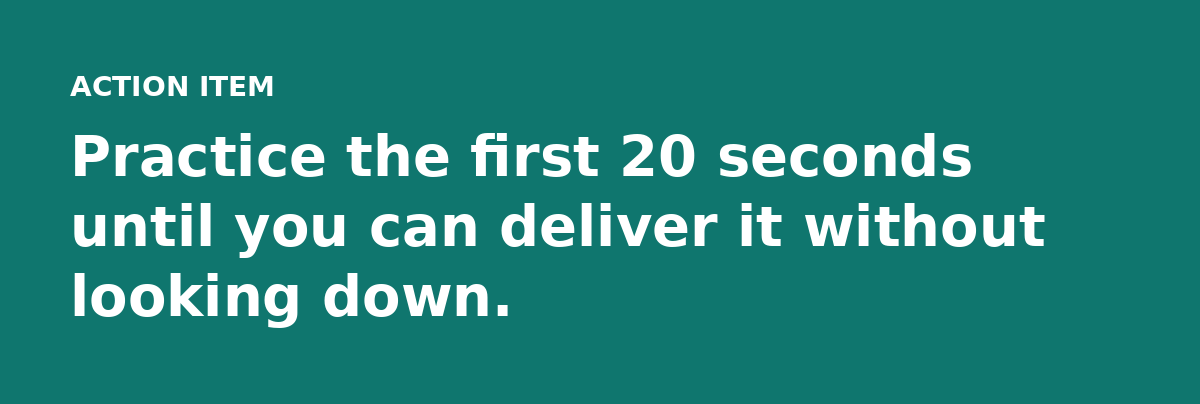
New setters rehearse the pitch. That is the second act. The first act is a short opening that earns permission to keep talking.
The opener has two jobs. Confirm you reached the right person and give one reason the call deserves another 30 seconds.
![A workable opener for accounting services: 'Hi, this is [name] with [firm]. I work with small accounting practices. Did I catch you between client mee](https://jyler.com/wp-content/uploads/a-workable-opener-for-accounting-services-hi-this-.png)
It names the audience and it closes with a low-stakes question.
What the live scenario test actually measures
Interviewers rarely expect a booked meeting from a cold scenario. They watch for behavior under pressure.
- Do you stay calm when the person pushes back?
- Can you qualify without firing off a wall of questions?
- Are you listening or just waiting for your turn?
- Do you ask for the appointment clearly before the call ends?
Field Note 2: Accent Is a Smaller Variable Than Nerves
US buyers hang up on speech that is rushed or hard to follow. They rarely hang up on an accent alone.
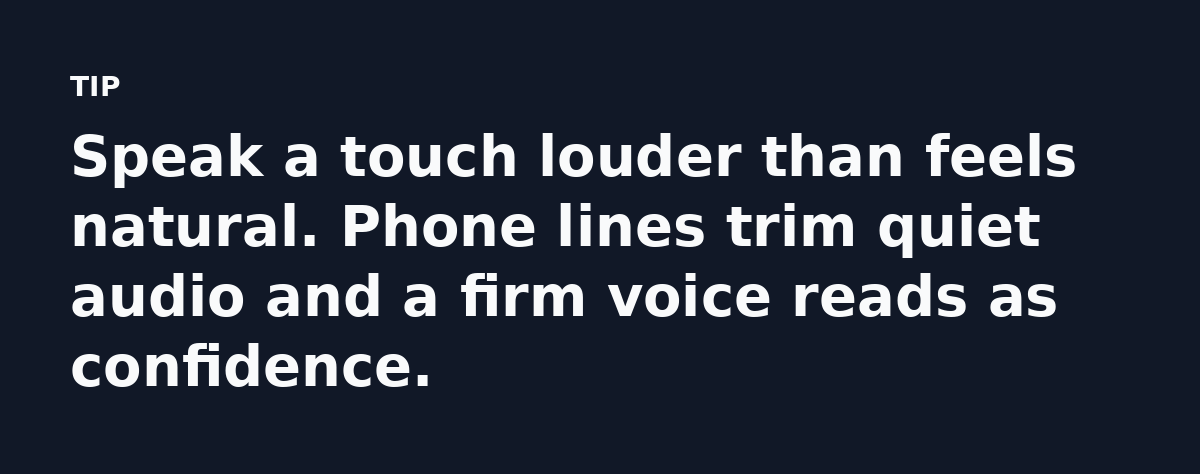
The fix sits in pace and volume. Slow down slightly. Let your sentences end with a falling tone and leave a small pause after questions instead of filling the gap.
Record two minutes of yourself reading your opener. Play it back. If you cannot catch every word, a stranger on a noisy line will not either.
Field Note 3: Accounting Has a Built-In Hook
SME owners feel tax deadlines and payroll runs every month. That recurring pressure is what you lead with.
Ask one question about a deadline. “When quarter end hits, does your team stay late chasing receipts?” A quick yes opens the door. A sigh opens it wider.
The pitch then writes itself. You help practices win back hours around filing season. The appointment is the next step.
Field Note 4: A Seven-Day Appointment Setting Practice Loop
- Days 1 and 2: write the opener and cut it under 25 words.
- Days 3 and 4: run mock calls with a friend who plays a rude prospect.
- Days 5 and 6: make 20 real dials if you can and log each outcome.
- Day 7: review the log and rewrite the two lines people react to most.
Your mouth needs the repetitions more than your eyes do.
Field Note 5: The Numbers Worth a Notepad
Track four things from day one.
- Dials per day
- Connects per 10 dials
- Conversations that reach a qualifying question
- Appointments booked per 10 conversations
On a decent small-business list, one connect per four or five dials is normal. From there, one booked appointment per ten real conversations is a fair early target. List quality moves both numbers more than any script.
Write the numbers down by hand. A tally you can see keeps you honest about where calls leak.
Field Note 6: Traps That Show Up in Mock Calls
Most failed scenarios fail in the same predictable spots.
- Talking past the first “no” instead of asking why
- Reading the script word for word with no room to breathe
- Opening with “how are you today” and burning the first 15 seconds
- Ending the call without a clear next step
Handling the first brush-off
“Not interested” usually means “not yet convinced.” Ask a calm follow-up. “Fair enough. Out of curiosity, who handles your bookkeeping today?” You are gathering context.
What to Sort Out the Night Before
Sleep matters more than one more script rewrite. A tired voice cracks and rushes.
Set up a quiet room with a steady connection. Have a one-page sheet in front of you with the opener and a closing line. Nothing more.
Keep in mind: The interviewer knows you are new. They are testing whether you can be coached. Show that you take a note and apply it in the next rep.
The One Habit to Build Today
Say your opener out loud 20 times before you sleep. At full volume, with the phone at your ear.
You are training a 20-second window until it stops being scary. Everything else on the call can be learned on the job.
Watch the 30 second summary
Video transcript: New setters rehearse the pitch, but the first act is the opener. Confirm the right person and give one reason the call deserves another 30 seconds. US buyers rarely hang up on an accent. They hang up on rushed or unclear speech. Slow down, drop your tone, and pause after questions. SME owners feel tax deadlines and payroll every month. Ask one deadline question. A quick yes opens the door, and a sigh opens it wider. Write your opener under 25 words. Run mock calls, make 20 real dials, then log every outcome. Review and rewrite the two lines people react to most.